• Email Sign Up
  • Following me around the web…
  • Liturgies for the “Be the Church” Series
  • Quarantine/Pandemic Prayers & Liturgies
  • Sermons on Video
  • Single in the Sanctuary
  • Vocational Prayers
  • Want to know about me?

Michelle L. Torigian

~ God Goes Pop Culture

Michelle L. Torigian

Category Archives: Current Events

Buddhism Reshaped My Easter

17 Tuesday Mar 2015

Posted by mictori in Church Life, Current Events, Holidays, Life, Pop, Pop Culture, Religion

≈ 4 Comments

Tags

Buddhism, Easter, Impermanence, Mary Magdalene, progressive Christianity

IMG_0185Let’s face it – Easter tends to be the most Christian holiday of the year.  Besides anything that’s bunny, egg, chocolate, or flower-related, the holiday centers around the resurrection of Jesus, the heart and head of our faith.

But last year, I adopted a Buddhist view of Easter… at least in my sermon.

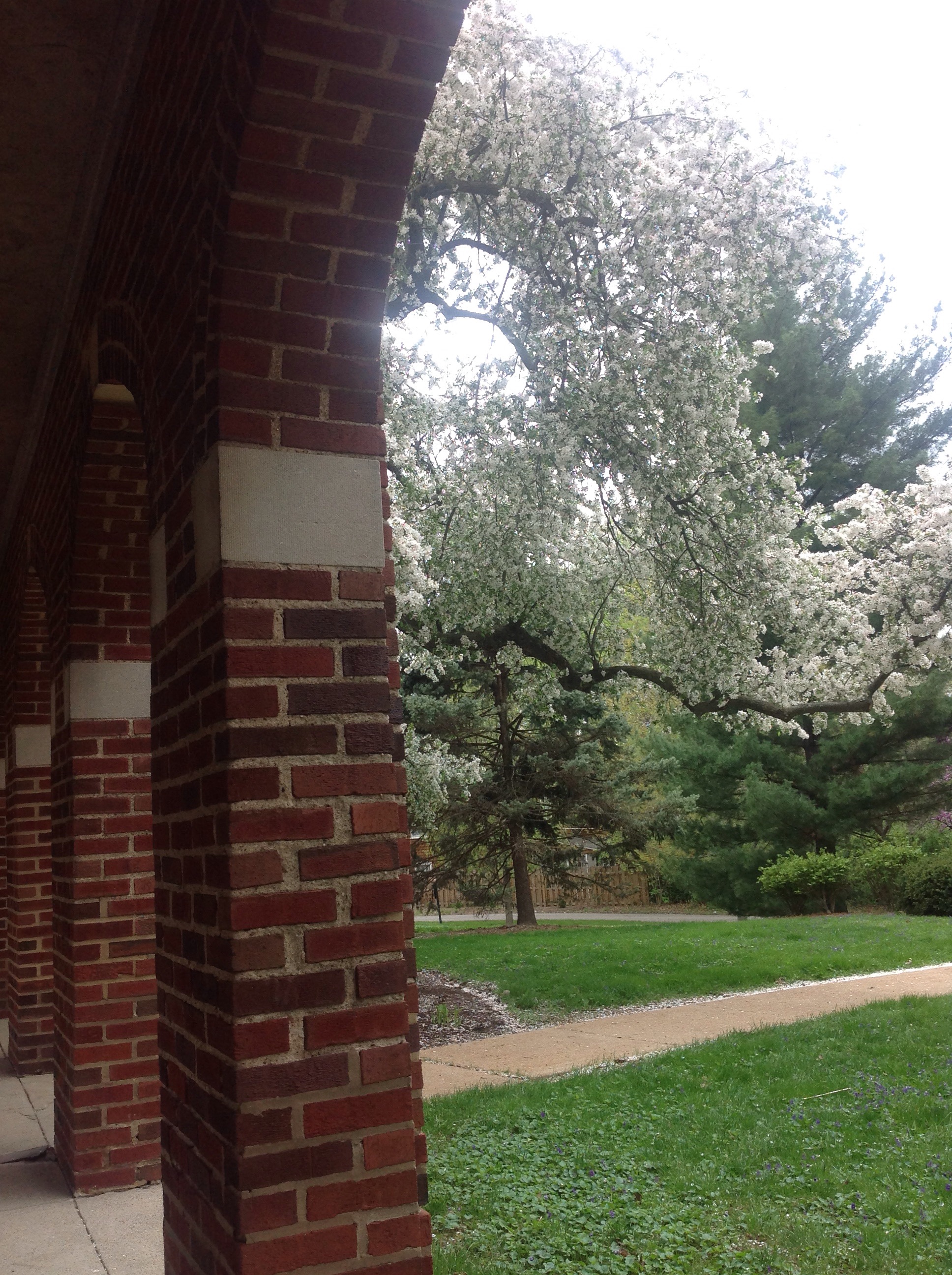
I recalled that each year right around this time, I head over a park on the other side of town.  The entrance to this park is lined with trees that, when they bloom, look like paradise.  I find sadness that this lasts only a short while.  Fortunately, I was able to visit the park right after they started blooming.  When I was over there yesterday, the pinkish-white petals had disappeared, and small buds of greened hung where the blooms had been.

There is sadness that fills my heart when I see the blooms gone for the year.  There’s a part of me that wishes the first days of spring could last all year, and the blossoms on the trees could last forever.

Of course, logically, I know this is part of the life cycle of the tree.  The trees are no longer in its beautiful spring state.  The petals drop to the ground, finding their death.  But in their death, the tree find its next phase.

We embrace much of our lives like we do like the blossoming trees.  We want life to stay a certain way, frozen in time.  But life is always changing.  Life starts, life ends.  Our bodies and our world are in constant motion.  From the mountains to our trees to our hair and our souls, we transform.  It’s concurrently beautiful and sad.

One of my best friends practices Buddhism.  When we have a chance to visit with one another, we have the best conversations about faith.  In reflecting on my sermon for last year’s Easter, the Buddhist principle of impermanence came to light. This principle is meditating on and deeply understanding that everything is impermanent, in a constant state of change and that everything will deteriorate.

She read to me excerpts from Thich Nhat Hanh’s book You Are Here which explained that impermanence and change is the heart of life and makes life possible.  When we reject impermanence, we reject life.  For hope lies in impermanence.

And in a roundabout way, we see that hope in resurrection story.

Mary Magdalene is weeping outside of the tomb, and Jesus the Christ calls her by name.  She then recognizes the risen Christ in her midst.  And then remembering all of the great times with Jesus during his earthly life, she wants to keep that with her.  She wants everything to be the same, and she clings to him.  Maybe she’s thinking “he won’t go away again.”  Maybe she’s thinking that “if I do something differently this time, he won’t die.”  I can’t say exactly what she was thinking, but she wanted the old ways of being with Jesus the Christ again.  But the Christ says otherwise – “do not hold onto me.”

What it says in the text is “do not cling” not “do not touch.”  We see later that it was ok for Thomas to touch Jesus.  I don’t think that it was a problem that this Christ was touched.  But what she was doing was holding on with all of her might in order to keep the pre-crucifixion, pre-resurrection Jesus with her.

In letting Jesus in his previous embodiment go, leaving the garden and running to spread the good news, I believe Mary embraces the hope that lies in impermanence.  She embraces the great change that happens with the Christ – from the original human body format to a format that transcends space and time.  That Christ goes with us wherever we go, and that Christ changes as the ways our life and world change.  When we meet new people or experience life in a new way, we understand Christ deeper.

It may seem odd that I speak of a Buddhist principle on Easter Sunday, but I wonder, how are we with changes in our lives, of letting things go, and then looking at embracing change as hopeful.

I remember what Thich Nhat Hanh says: “hope lies in impermanence.”  The tomb could not seal off the Christ from the rest of the world.  And while the death was traumatic, without the change in the form of the Christ, I don’t believe the good news would have gone beyond that small part of the world.  Would people know of the radical love of Jesus, of the way he validated the lives of those who were in the margins?

If Mary Magdalene would have staying in that garden right outside the tomb and kept holding on to the Jesus she once knew instead of sharing the Christ in its newest form, we wouldn’t have known the Good News of new life and resurrection.  That’s hope.  Maybe there were still tinges of sadness that resonated within her.  But I believe the privilege of sharing the good news of life and hope helped her to let go of Jesus the Christ in his previous form.

I’d like to think of Mary releasing Jesus like any of us releasing the beauty that leaves with the end of a season.  There is a tinge of sadness that still remains in me when the blossoms drop from the trees.  But with the changing trees and the falling flowers comes rich greenness for all to enjoy, full trees for people to rest under during the warm months.  If the trees didn’t change throughout the year, they would die.  That’s like us: if we don’t change constantly – our cells, our thoughts, our churches – we die as well.

So each year, when trees bloom and Easter rolls around, I recall the Buddhist principle of impermanence.  It’s given me the gift of seeing the transitions and changes that come with the death and resurrection of Jesus with a new depth and greater hope of new life.

This post was written as part of Synchroblog’s March 2015 theme “What I Appreciate about [Other Religions].”  Below are other blog posts that have been written as part of this theme.  The links do not necessarily reflect my perspective.

  • Mark Votava – How Christianity Can Learn from Buddhism
  • Justine Steckbauer – Christianity and Other Religions: Many roads or exclusive path?
  • Glenn Hager – The Thing About Labels
  • Clara Ogwuazor-Mbamalu – What I Appreciate about Islam
  • Bram Bonius – What can Christians learn from neo-pagans and ‘magickal’ traditions?
  • Pastor FedEx – 3 Things Christians Learn from Other Religions
  • Leah Sophia – Land, Sun, Community, Crops
  • Kathy Escobar – Why I Love Interfaith Conversations
  • J. D. Myers – What I Appreciate About Pagans
Share this:

  • Share on Facebook (Opens in new window) Facebook
  • Share on X (Opens in new window) X
  • Share on Pinterest (Opens in new window) Pinterest
  • Email a link to a friend (Opens in new window) Email
  • Print (Opens in new window) Print
  • Share on LinkedIn (Opens in new window) LinkedIn
  • Share on Tumblr (Opens in new window) Tumblr
Like Loading...

My Least Favorite Sunday

07 Saturday Mar 2015

Posted by mictori in Church Life, Current Events, Life, Pop, Pop Culture

≈ Leave a comment

Tags

less sleep, one hour, Spring Forward, worship

16561871989_6111ecd81c_kI can say with little hesitation that my favorite Sundays each year are Easter and Pentecost Sundays.  The excitement that is generated on those two days fills the church and our hearts, sustaining me in body, mind and soul.

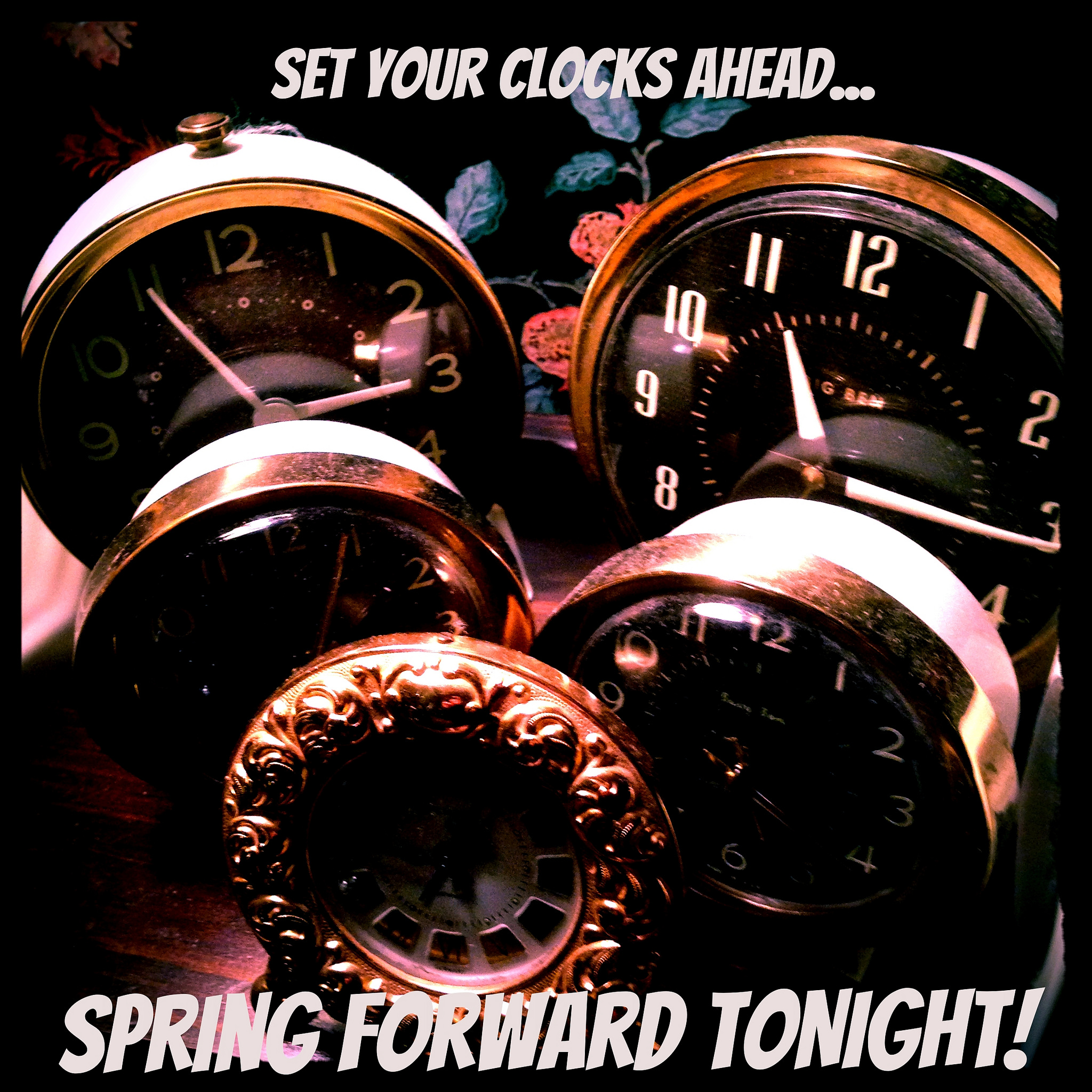
I’m sure I can’t be the only pastor or person writing or reading this who has a least favorite Sunday: Spring Forward Sunday.  We find ourselves waking up with one less hour of sleep because, let’s face it, we aren’t going to go to sleep an hour earlier on Saturday nights.  Whether we are working, relaxing or spending time with friends, our bodies aren’t usually ready to sleep earlier than usual, even if we plan for it.

This leaves us a little extra tiredness during worship on Sunday morning.  We’re ready for our afternoon nap soon after our Sunday morning events are complete.

I think there’s a little level of disappointment knowing that our day is noticeably shorter.  As we progress in our lives, we realize the value of each and every hour.  And we recognize that we’re a bit thrown off by this time adjustment.  What may seem like 3p.m. will really be 4p.m.  Our bodies may take a day or two to get used to this new time change.

However, I believe God’s grace blesses this shortened day.  While I dislike the one less hour of sleep,  I rejoice when I see the light around 7 p.m. or later.  I am reminded that light continues to come into the world, whether it’s the rays of sun or illumination of Christ.

So as we search for God in this wilderness season of Lent, even when we often travel through the shadows, our days are becoming longer and light is growing in our lives.

 (Adapted from the St. Paul UCC March 2015 newsletter)

Share this:

  • Share on Facebook (Opens in new window) Facebook
  • Share on X (Opens in new window) X
  • Share on Pinterest (Opens in new window) Pinterest
  • Email a link to a friend (Opens in new window) Email
  • Print (Opens in new window) Print
  • Share on LinkedIn (Opens in new window) LinkedIn
  • Share on Tumblr (Opens in new window) Tumblr
Like Loading...

What Color is That Dress???

01 Sunday Mar 2015

Posted by mictori in Current Events, Life, Pop, Pop Culture, Religion, Social Media

≈ Leave a comment

Tags

blue and black, dress, God, Methodist Quadrilateral, progressive Christianity, social media, Wesleyan Quadralateral, white and gold

This week, the internet burst with comments and postings to discuss this dress:

Photo Credit: Swiked/Tumblr

My first thought was “Who cares?  It’s just a dress.  There are more important issues to discuss than the color of a dress: poverty, homelessness, trafficking, hate crimes, health care…”

And that’s basically what I initially posted on social media.  In response to my post, a friend reminded me that this is more than a dress.

Riiiiiiiiiight!

I saw a white and gold dress.  Yes, the dress is undoubtedly white and gold.  Undoubtedly.  (Am I right?) As I looked longer at the photograph, I wondered if the dress could be blue and gold.  Was it lighting and shadows that gave me this doubt?  Was my brain playing tricks on me?

I still had no idea how people saw the lace as black.  I truly tried to see it from their perspective – squinting my eyes and staring harder.  But I could only see gold or brown, not black, lace.

Maybe if I stood on my head I could see a different color trim…

Articles were released on the scientific reasoning behind how we perceive color.  A combination of factors aided whether people saw blue and black or white and gold: how the eyes are picking up color, how the brain works, and the lighting of the room.  (Being that I’m not a scientist, I won’t try to explain this, but check out these articles HERE and HERE.)

If something so objective as color can divide people, how much more will subjective topics like religion and politics come between people?  The dress becomes a concrete symbol of how we can perceive things differently than the people closest to us.

After giving it further thought, I wrote this on social media:

If there’s more than one way to see the colors of a dress then maybe there’s more than one way to see God and faith.

In seminary, I learned of the Wesleyan Quadralateral, a system where one establishes their sources of authority on Scripture, reason, tradition and experience.  The way many of us study Scripture differs, and sometimes there are conflicting accounts in the Bible.  Translations also play an impact on how we read scripture.

We also come from a spectrum of traditions with each one highly influencing our theological core.  If we are Protestant, we may find that our teachings lean heavily from Martin Luther or John Calvin more often than St. Augustine or Thomas Aquinas, two theologians who influence the doctrine of the Roman Catholics.  Even our individual churches and families of origin impact the ways tradition influences our beliefs.

Additionally, experience is the great lens through which we see life.  When we gather the information around us through the filter of our own joys and pains, we see only small pieces of a larger picture.

And because of the lesson of the dress, we can see that our brains reason differently, a point which should always be taken into account.

My friend was right: the dress is more than a dress.  It begs us to understand that we won’t see the world as our neighbors and that everyone comes to their beliefs through a multi-layered lens.

Through the exercise of the dress and knowing how our brain works in gathering information, this is the time for us to become a more understanding people.  It’s time for us to stop the shame and name calling of people who have different political and theological perspectives than we hold.  It’s time for us to stop claiming that such-and-such people will go to hell or that they won’t be accepted by God.

It’s time for us to see that no matter what color dress, theology, politics, or anything else we have or see, we are fully accepted by God and made in God’s image.

Share this:

  • Share on Facebook (Opens in new window) Facebook
  • Share on X (Opens in new window) X
  • Share on Pinterest (Opens in new window) Pinterest
  • Email a link to a friend (Opens in new window) Email
  • Print (Opens in new window) Print
  • Share on LinkedIn (Opens in new window) LinkedIn
  • Share on Tumblr (Opens in new window) Tumblr
Like Loading...

Cutting off the Split Ends of Our Souls

22 Sunday Feb 2015

Posted by mictori in Current Events, Life, Pop, Pop Culture

≈ Leave a comment

Tags

getting rid of things, Haircut, Lent, Lenten Practices, Mark 9, progressive Christianity, throwing away

imageThe other day I got my hair cut.

Now, that probably doesn’t sound too exciting to all of you.  Hair gets cut. Tresses get trimmed.  Sideburns get shaved.  (Of course, I don’t have sideburns, but you get the point.)  No matter who we are or how old we are, our hair sometimes need attention to keep it healthy.

One fact to know: I hadn’t gotten it cut since November.  Being that it’s now February, I could tell that it was frequently getting hard to control.  My stylist pointed out the hair in the back had been broken off, and I could tell that the hair near my face was splitting.  No longer was my hair healthy, and I had to make the time to get it trimmed.

Keeping my hair at the longer length was, basically, a stumbling block for my hair to be healthy.  My hair would never be in its healthiest state if I kept trying to grow it without cutting it.

Jesus never speaks of hair cuts or even hair very often.  But Jesus does mention cutting off one’s limbs if they are causing the entire body, mind and soul to be unhealthy:

‘If any of you put a stumbling-block before one of these little ones who believe in me, it would be better for you if a great millstone were hung around your neck and you were thrown into the sea. If your hand causes you to stumble, cut it off; it is better for you to enter life maimed than to have two hands and to go to hell, to the unquenchable fire. And if your foot causes you to stumble, cut it off; it is better for you to enter life lame than to have two feet and to be thrown into hell., And if your eye causes you to stumble, tear it out; it is better for you to enter the kingdom of God with one eye than to have two eyes and to be thrown into hell, where their worm never dies, and the fire is never quenched.

-Mark 9:42-48

I’m not exactly sure if Jesus literally meant cut off a limb or poke out an eye.  But obviously, Jesus felt that we need to rid ourselves of unhealthy attachments at times.  And, yes, sometimes it is a drastic as cutting off piece of ourselves as crucial as an arm or leg.

(Personally, I like to a little less dramatic analogy –  much like trimming the split ends from our hair.)

So now that we’re in Lent, what will we trim from our lives so that we are healthier people?  During this journey, what will we expel from our lives?

Will it be that “friendship” that is bringing us down?
Will it be boxes of things we no longer need but is taking space?
Will it be activities in our lives for which we no longer have passion but we feel that we SHOULD continue with that activity?

According to something I read online, the average person only has 29, 200 days of life.  And that’s if we live until 80.  This number may seem like a lot of days, but when we look at how many days have gone by, it’s very eye opening.  We ask ourselves “how we will live the rest of our days?”  When I calculate that I’ve lived about 15,500 days, over half of my life could be complete.  What will I do with the rest?  What can I rid myself of so that the rest of my days are open to the call of God?

Will I rid myself of fears so that I can live more fully?
Will I rid myself of things so that I will have more space to enjoy?
Will I rid myself of hurtful past memories and find forgiveness so that I can live more freely into the future?
Will I rid some unhealthy behaviors – like too many cookies or fried foods – so that I can live a healthier life?

This is what Lent is about: working to become our best selves in relation to God and one another.  It’s examining the twists and turns of life with sober judgment and as we try to grow in body, mind and soul.

So, as you find time for your next haircut, what will you be cutting from your life to make it healthier?  What will you release from your life so that your 27,000-31,000 days are more meaningful to you and those you love?

Share this:

  • Share on Facebook (Opens in new window) Facebook
  • Share on X (Opens in new window) X
  • Share on Pinterest (Opens in new window) Pinterest
  • Email a link to a friend (Opens in new window) Email
  • Print (Opens in new window) Print
  • Share on LinkedIn (Opens in new window) LinkedIn
  • Share on Tumblr (Opens in new window) Tumblr
Like Loading...

Thriving in My Weakness: Breaking the Silence This Ash Wednesday

18 Wednesday Feb 2015

Posted by mictori in Church Life, Current Events, Holidays, Life, Religion

≈ 4 Comments

Tags

2 Corinthians 12, anxiety disorder, Ash Wednesday, ashes, childhood anxiety disorder, childhood mental health, demons, dust, Mary Magdalene, Mental health, Panic disorder, power in our weakness

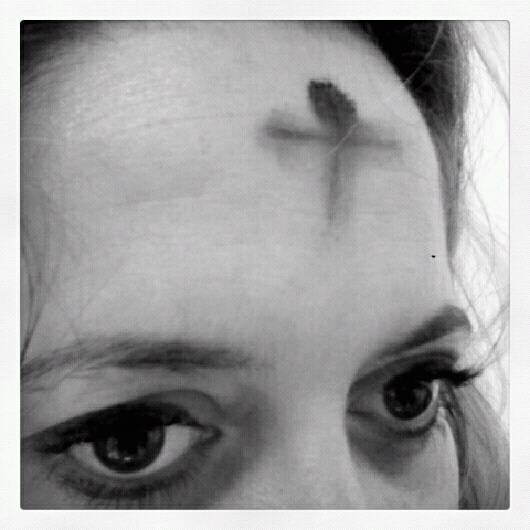
ash headLast summer, when Robin Williams perished from suicide, more people began to come forth about their mental health struggles.  Many believed that if we spoke on the issue of mental health, others would feel like they could share their stories or find help.

My friend Kevin Necessary wrote his story for WCPO.  Another friend, the Rev. Sarah Lund, recently wrote the book “Blessed Are the Crazy: Breaking the Silence about Mental Illness, Family and Church.”  She shared her family’s struggles with mental health issues.  As others placed themselves in vulnerable spaces telling their stories, I began to feel the call to tell my story as well.  That’s when I realized I had to talk about my experiences.

In the summer of 1979, we were on our way from the St. Louis area to southern California to visit my aunt, uncle and cousin, and Disneyland too.  Somewhere in the state of Arizona or New Mexico, we stopped for dinner.  I was already a pretty anxious kid – not a fan of escalators, steps, slides and a host of other things.  But that evening, as a six year old, the least unusual thing happened: I discovered the first loose tooth in my mouth.

At that moment, I began to have my first panic attack.  Over a loose tooth.  But as experience has proven: you never know what will set off a panic attack.

Being that it was over 35 years ago, I can’t remember exactly how that first attack felt.  From what I can recall, I felt out of control and waves of nausea.  I couldn’t eat anything else that night.  Beginning that evening, my eating habits drastically changed.  I consumed very little each day due to the nauseating anxiety in my system.  I lost weight, and my mom did everything she could to help me find ways to eat.  My parents were beyond worried about me, but during eras when people never spoke of certain issues, I would imagine that it would be difficult to find your children the help they need.

Of course, this was in the late 1970’s.  People weren’t talking about childhood anxiety or mental health issues, and even speaking of one’s mental health illness was taboo.  Personally, I thought there was something wrong with my stomach.  I couldn’t put into words what I was going through.

As time went on, I sought help in trying to be find wellness in my soul, heart and mind, and this meant counseling sessions.  At the age of 16, as I headed into the office, I scoped the parking lot for any signs of people I knew.  I refused to let anyone know what I was going through.  I couldn’t let anyone know how flawed I was.  I would have been horrified if anyone knew I was in counseling.  Even my closest friends in high school never knew until years later.  Finally in college, I began to speak with friends about my anxiety, and over the years have been more and more open about this challenge in my life.  My sixteen year old self would never have imagined that I would ever speak or write publicly about this struggle.

I’d like to say that I’ve had my last one, but I know that’s not the case.  I’m on a life-long journey with anxiety and panic disorder.  It isn’t fully gone.  But I’ve learned how to live with it and take baby steps so that it doesn’t fully define who I am.  I realize now that I probably have a chemical or biological predisposition to anxiety or panic.  It’s not something I brought about on my own – six year olds typically don’t bring these things on themselves.  Even forty-somethings or sixty-somethings will have panic attacks happen without any real cause.

Sometimes, it’s been hard to see God in the midst of my anxiety.  I’m sure others find it hard to see God in the midst of their mental health issue – no matter the issue.  But during the other times, God is all I know and what I can see in the chaos.

Paul says in 2 Corinthians 12, “ ‘My grace is sufficient for you, for power is made perfect in weakness.’ So, I will boast all the more gladly of my weaknesses, so that the power of Christ may dwell in me. Therefore I am content with weaknesses, insults, hardships, persecutions, and calamities for the sake of Christ; for whenever I am weak, then I am strong.”

Today, to use the phraseology of Paul, I boast of this weakness of mine.  I boast not from pride, but because I feel free and light in being able to tell my story.  I boast because I see the presence of God in my weakness, and my relationships with God and others have grown closer in this vulnerable state.  And that means, like Paul, seeking contentment in this very vulnerable moment and becoming transparent will hopefully bring strength to the entire body of Christ.

Jesus called the most vulnerable to do his work.  Mary Magdalene found relief from her seven demons – which could have included many mental health issues.  And Jesus called her to be the first person to share the good news after the resurrection.  Paul didn’t exactly have the best track record with life as he persecuted others.  And yet God still called him.  God called Jacob after he deceived his brother, Abraham after dismissing Hagar and Ishmael, David after his indiscretions, and Levi even though his career brought pain to others.

With God, there is grace and there is a future in our weaknesses and vulnerability.  There are second chances to be had and given.

Like dust, like ashes, and even like the powdery snow outside, we are vulnerable.  We are blown by the wind because of the frailty of our human condition.  But in that vulnerability, in that powdery, dusty mess that we humans are, we find our strength.  We find out where God is because sometimes, all we have is God.  And then we start to find each other as we all share our struggles.  To believe that any of us don’t struggle with something is a fallacy.  It’s unrealistic to believe such things.

Our next step in the process is finding the strength to be transparent about some of these struggles – especially once we’ve found some healing and can testify to God’s presence in our healing.

When I tell my story, I feel like this is the most vulnerable place I’ve been.  Like I said – I never realized that 25 years ago or even a year ago I would feel the call to stand up and speak my truth.  But this story needs to be told because maybe a parent out there will recognize that their child has anxiety and panic disorder and will find help for their child.  Maybe one of you will realize that there is no shame in receiving help – whether that help is counseling or medication, whether it’s for anxiety, depression, bipolar or a number of other mental-health related issues.  We may feel that it’s necessary to keep being strong, but actually, we will be healthier if we just admit that we are weak and get the help we need.

And that is why we take this time during Lent to raise all of the voices who break the silence on stigmatic issues.  I stand with all of my sisters and brothers who have the courage to live in the boldness of their frailty.  When we are able to say, “I’m as strong as ashes, and I’m mortal and messy,” then we can move into new ways of relating to God and one another.

Ash Wednesday is the day where we remember that we are mortal, not perfect, vulnerable, and limited.  And we rejoice in our weaknesses.  We thank God that we can come together as limited humans, in our brokenness and dustiness to celebrate the strength in our weakness and transparency.

Share this:

  • Share on Facebook (Opens in new window) Facebook
  • Share on X (Opens in new window) X
  • Share on Pinterest (Opens in new window) Pinterest
  • Email a link to a friend (Opens in new window) Email
  • Print (Opens in new window) Print
  • Share on LinkedIn (Opens in new window) LinkedIn
  • Share on Tumblr (Opens in new window) Tumblr
Like Loading...

A Prayer for the Lone Ones on Valentine’s Day

14 Saturday Feb 2015

Posted by mictori in Current Events, Holidays, Life, Pop, Pop Culture, Religion

≈ 1 Comment

Tags

divorce, Prayer, progressive Christianity, Single, Singlehood, Valentine's Day, Widowed, widows

imageAs someone who often writes on marital status and the church, I feel it necessary to remember those who endure Valentine’s Day on their own.  People splash their privilege of dates and gifts on social media leaving others to feel even more isolated and expendable.  From my experience, Valentine’s Day gives privilege to the haves – whether it’s haves of money or love.  During the many years when I was single on Valentine’s Day, my soul felt so insignificant.  Now that I do have a Valentine with whom I can share my day and my heart, I feel blessed but I must still remember the loneliness that this day will bring many, and urge all of us to send our love to those who struggle today.

God of the broken hearts
And the lonely souls,
On this day reserved for those “loved”
Those who seem so “whole”
Give us the peace of knowing we are complete.

Just as we are.
Today.

On this life-long journey
We wander in the wilderness, sometimes.
And sometimes, we wander that wilderness alone.

We set aside our celebrations
Of pink and red and sparkles
To give our hearts to those who dwell in solitude.
May they discover joy outside of the expectations
That this day brings
And in spite of the chocolates and roses and dinners by candlelight.

For those whose singlehood is new
After a recent break in their lives
God, fill their hearts with peace
And may they see the expanding lights of hope.

For those who have been single year after year
In the shadow-filled tunnels of silence-
Those who wonder when their turn at love will arrive
And feel trapped in exile-
Open their hearts to all possibilities.
Guide them out of the wilderness.

For those who have lost loves to death
And their person abides on that side of heaven,
Uplift their spirits.
Take away the pangs of grief.
Bring light into their lives again.

For those who ache
Wondering if their love will last,
Spark their hearts with the flame of renewal
And may love rise from the ashes.

On this human-created day where some have so much
and others are empty,
Scatter your energy around, God,
So that hope abounds
And joy will be embraced again.

Share this:

  • Share on Facebook (Opens in new window) Facebook
  • Share on X (Opens in new window) X
  • Share on Pinterest (Opens in new window) Pinterest
  • Email a link to a friend (Opens in new window) Email
  • Print (Opens in new window) Print
  • Share on LinkedIn (Opens in new window) LinkedIn
  • Share on Tumblr (Opens in new window) Tumblr
Like Loading...

Vaccinating the Body of Christ

12 Thursday Feb 2015

Posted by mictori in Current Events, Life, Pop, Pop Culture, Religion

≈ Leave a comment

Tags

1 Corinthians 12, Acts 2, anti-vaccination, Body of Christ, Disneyland measles, measles, measles outbreak 2015, pro-vaccination, progressive Christianity, vaccinating body of Christ, vaccination

By Photo Credit: James Gathany Content Providers(s): CDC [Public domain], via Wikimedia Commons

Throughout my entire life, My mom would often speak of her childhood experience with measles and whooping cough.  These memories remain traumatic for her as she recalls how she almost died from measles, and as a kindergartner, missed three months of school in the process of recovering.  Both she and my grandma experienced pertussis, or whooping cough, during my mom’s youth.  The trials of coughing to the point of choking left a fearful memory with my mom, and she ensured we had the vaccines needed to avoid unnecessary childhood illnesses.

When I speak with my mom regarding her previous health issues, she expresses the horror of her experiences with these extreme illnesses and the sadness surrounding the time and energy she lost while recovering.  By sharing her stories, my mom has been a great influence on me and, hopefully, others on the importance of vaccines to our population.  Likewise, as I place my mom’s experience in conversation with science, history and theological thought, I continue to strongly support the inoculation process.

Just as we thought that some of these illnesses were nearly eradicated in our first world culture, they seem to have been reappearing more frequently in our privileged communities.  Some have chosen not to vaccinate out of deep fear for their children’s health.  Some have decided not to vaccinate due to receiving misinformation.  Some believe that it is more dangerous to receive a vaccine rather than the risk of contracting the illness.

The conversations surrounding this are complicated and very passionate.  The people who have  experienced the struggles with preventable illnesses often stand firm on their pro-vaccination views. Likewise, those who focus their attention on the dangers of vaccines and the compassion in their hearts for their children both care fully about those closest to them.

In the past weeks, I’ve gotten into some thought-stretching interactions with friends regarding the vaccination debate.  Through discussions, I began to see a myriad of views present in vaccination conversations.  While I may be firmly pro-vaccination, I also must try to understand the other side of the argument even if I don’t agree with it.  So I’ve begun to ask myself “How can I be an advocate AND still refrain from shaming those who believe differently?”

By presenting my view on this, I hope to influence others to realize that they do not make decisions in isolation.

As I look at this issue through the lens of scriptures, I am reminded that we are all part of the same body of people, and many of our choices directly and indirectly impact others within our society. First Corinthians 12 reminds us that we are forever connected with all others.  When we are part of the Body of Christ, we are compelled to acknowledge our connection with every single other part of the body.  We are forced to see that when we choose to vaccinate or not to vaccinate, there is the possibility that both loved one and stranger will be impacted by our choices.

Being someone who does support vaccinations, I believe that when the vaccination option is not chosen it heightens the risk that it will negatively impact the entire body of people.  That being said, we are still part of the same body as those who choose not to vaccinate, so removing their humanity and vilifying them creates chaos in the body.  As we are in covenant with people with whom we disagree, we have a responsibility not to denigrate those who make different choices than ours.  How can we have conversations without shaming the other side?

I posted a pro-vaccination editorial cartoon that my friend Kevin Necessary drew for WCPO.com.  This drawing opened my eyes to another parallel conversation: peanut allergies.  While peanut allergies and vaccinations are two very different and separate issues as reminded to me by friends, they have one common connection: our choices on both of these issues ripple into the world and can have a very positive or negative impact.

When peanuts enter the Body of Christ (or the entirety of humanity) through someone who loves to eat peanuts, there is still a possibility that another member of the body will touch or consume a small portion of those nuts.  In doing so, the allergic individual has the possibility of getting very ill or dying.

If a member of the body of Christ is not vaccinated, there also is a possibility that measles, whooping cough or a number of other illnesses can come into the body.  We’ve seen it recently at Disneyland and through the spread of the highly-contagious measles.  Concerning both peanuts and vaccination issues, we have to work together to keep these lethal possibilities out of the Body of Christ.  Making decisions without thinking of how others will be impacted is neglecting our place in and the constant connection with the rest of the Body of Christ.

The image of this Body of Christ reminds me of conversations I had in college on the principle of utilitarianism which I believe has also influenced my stance on vaccinations.  After some online reading, I found this quote by Francis Hutcheson that expresses this concept of utilitarianism:

“In the same manner, the moral evil, or vice, is as the degree of misery, and number of sufferers; so that, that action is best, which procures the greatest happiness for the greatest numbers; and that, worst, which, in like manner, occasions, misery.”

When thinking about what’s best for the greater numbers of people, I reflect upon science and history and see that most vaccinations have been positive for the greater number of people.  Thus when we consider the happiness and health of the greater good, we are considering the Body of Christ.

Because of community immunity, or herd immunity, a certain percentage of people in a society need to be vaccinated in order for the larger community to have a strong level of protection .  When the vaccination levels falls below that designated percentage, the Body of Christ and our society becomes vulnerable to illnesses.  What we often forget is that those with no immune system rely on a system where enough of our society is vaccinated.  In reflecting on what’s best for us, we also need to remember those who are too young or have a weak immune system and can’t receive the vaccination.  Pooling our communal immunity together protects those who can not be given an inoculation.

I remember the story in Acts 2 on how the church came together, combining their resources to build the church and sacrificing to support one another.  In our time, vaccinations can be our way to live out our Acts 2 faith of combining our resources together to strengthen the Body of Christ.

No matter what our views on vaccination, we must continue to remember the constant connection between us and the rest of the Body of Christ.  Our decisions should not made in a bubble, and it’s important to weigh the cost of our decisions on how they will impact ourselves, our loved ones and the extended human race.

I highly doubt that I will change my views on vaccination.  But being a part of the Body of Christ continues to shape my heart, mind and soul to open myself to those with other viewpoints.  In doing so, this transformation has given me more compassion for those who are fearful of vaccinating and urged me to advocate for vaccinations to make sure the Body of Christ is as healthy as it can be.

Share this:

  • Share on Facebook (Opens in new window) Facebook
  • Share on X (Opens in new window) X
  • Share on Pinterest (Opens in new window) Pinterest
  • Email a link to a friend (Opens in new window) Email
  • Print (Opens in new window) Print
  • Share on LinkedIn (Opens in new window) LinkedIn
  • Share on Tumblr (Opens in new window) Tumblr
Like Loading...

The League of God Is Like…

02 Monday Feb 2015

Posted by mictori in Current Events, Holidays, Life, Pop, Pop Culture, Religion, Social Media, Sports

≈ Leave a comment

Tags

economic privilege, Jesus, Kingdom of God, privilege, progressive Christianity, Super Bowl, Super Bowl XLIX

By Gerald Nino/CBP (US Customs and Border Protection archives) [Public domain], via Wikimedia Commons

Looking through social media (Facebook, Twitter and Instagram) I saw  how various people were spending their time watching this year’s Super Bowl.  I didn’t know anyone personally who attended this year.  Most of my friends were either home watching the game and updating social media as the event progressed – few were at parties or bars watching.

But what I noticed were that celebrities were posting picture after picture of themselves in the stands of the game.  And this got me thinking of those who are able to go and who will simply never see a Super Bowl game (or any NFL game, for that matter) live and up close.

I’ve been to a couple of NFL games.  Fortunately, I was able to receive the tickets for free.  Otherwise, I would rarely, if ever, be able to afford a game.

According to a report I found from 2013, the average ticket price for an NFL game is $81.54.  With federal minimum wage at $7.25 per hour, one may need to work 11.25 hours to afford just the game ticket.  The average Super Bowl ticket was about $3,600 according to some sources.  And that means they would have to work 496 hours to purchase an average Super Bowl ticket (or 12.4 weeks of 40 hour work weeks) for a three-to-four hour game.

What I find interesting is that taxpayer money will fund the stadiums which hold the games that many taxpayers themselves can not afford to attend.  So the poor essentially pay for the benefits of the rich.

In 2001, when the Super Bowl was in Tampa, I volunteered at the Hospitality Village.  Only those who had a special ticket could get in.  Sponsored parties were held in various areas of the village.  And then those who were at parties in the village moved over to the stadium to find their seats and the privilege to watch the game live and absorb the excitement around them.

The have nots, like myself, looked upon a stadium that I could not afford to get into.  I’m also guessing that the way sponsorships and VIP passes work, I’m sure many didn’t have to pay for their ticket but they were given the ticket for free.  Often, it’s about who you know.

Yesterday, I mentioned the subversive nature of Jesus in my sermon.  Sure, he may be someone hanging out in the stands during an NFL game.  He did eat with the privileged during his time.  But he also spent time with those who were thrown away by society.  Jesus would have been hanging out near the side of the road with those begging for food and in the work areas of the stadium with those who had to work through the game.  The Hospitality Village would be open to all in Jesus’ realm.

Maybe the League of God would be an NFL game with people of every economic level in a stadium.  Maybe it would be a stadium with the poorest sitting on the sidelines watching the game in the privileged areas while the super-rich were required to have the nosebleed seats.

I wonder how that would turn our society on it’s head…

Share this:

  • Share on Facebook (Opens in new window) Facebook
  • Share on X (Opens in new window) X
  • Share on Pinterest (Opens in new window) Pinterest
  • Email a link to a friend (Opens in new window) Email
  • Print (Opens in new window) Print
  • Share on LinkedIn (Opens in new window) LinkedIn
  • Share on Tumblr (Opens in new window) Tumblr
Like Loading...

Looking Back… At All of the Stuff

13 Tuesday Jan 2015

Posted by mictori in Current Events, Life, Pop, Pop Culture

≈ 7 Comments

Tags

hoarding, Lot's wife, New Year, new year's purge, prayers to purge, purging, stuff, throwing away

looking backI have a lot of stuff.

It’s amazing how we accumulate things over the course of years.  When I moved to Florida 19 years ago this month, everything fit into the trunk, backseat and storage container on top of my 1984 Chevy Celebrity.

Nearly two decades later, everything fits into a few rooms.

I have mountains of books – mostly theological from my seminary years and the past few years of ministry.  And then there are all of the papers and bills from the past 19 years.  And many, many photo albums, DVDs, VHS tapes (that’s right, VHS), mugs with names of banks printed across the front (probably from my years organizing chamber of commerce events), pens, pencils, Christmas decorations and glasses from tourist attractions.

When will I need a power bill from 1997 or paperwork from a job in 2001?  When will I need the size six jeans as my hips will never shrink below an eight or ten?  When will I need an old recording of a Friends episode on VHS?  I own all of the seasons on DVD now and now can catch the episode on Netflix.

Most of these things do not make me happy.  In fact I feel like Lot’s wife: a pillar of salt, unable to move forward, and frozen in a time-warp.  Let’s face it: Sodom wasn’t exactly a happy place for visitors, and neither was the early 2000’s for me… Which makes me wonder: why do we hold onto things and times that remind us of painful places?

I use these items as a god to anchor me to an altered view of the past instead of allowing God to pull me forward towards a realistic view of the future.

Looking back isn’t a bad thing.  Holding on to a few mementos is a beautiful idea.  Photo albums and special gifts will remind me of special days and people of the past.  But rooms of “I may need this one day” boxes are boxing me in to a life that can’t be lived freely with God’s Spirit.

This year, I hope to go through many of those “I may need this one day” containers and begin to release my outdated treasures to the universe.  I may take some photos of old things that once meant something to me and send the item itself to the trash or to someone who needs it.  I may take a few moments with something that reminded me of a special memory but realize that it holds minimal significance to today.

Through shedding material things from the past, I hope to lighten my load to seize today with open hands… and rooms.


This blog was written in conjunction with a SynchroBlog on the topic “Looking Back, Looking Forward.”  Bloggers looking back and looking forward this month:

  • Done With Religion – Looking Back, But Moving Forward 
  • Mark Votava – Learning to Love: Crossing a Decade of Rootedness 
  • Tara at Praying on the Prairie – A Year of New Beginnings
  • Carol Kuniholm – Looking Back, Praying Forward  
  • Mary at lifeinthedport – roaring chickens: how i found my voice
  • Moments with Michelle – The Year that Was: Looking Back at 2014
  • Jeremy Myers – What I learned from almost following my GPS to my death
  • Glenn Hager – Things I Don’t Ever Want to Forget 
  • Michelle Torigian – Looking Back at All the Stuff 
  • Fedex at His Urban Presence – A Year of Changes
  • Charity at His Urban Presence – God is There 

Share this:

  • Share on Facebook (Opens in new window) Facebook
  • Share on X (Opens in new window) X
  • Share on Pinterest (Opens in new window) Pinterest
  • Email a link to a friend (Opens in new window) Email
  • Print (Opens in new window) Print
  • Share on LinkedIn (Opens in new window) LinkedIn
  • Share on Tumblr (Opens in new window) Tumblr
Like Loading...

We Still Need to Talk About Leelah

06 Tuesday Jan 2015

Posted by mictori in Current Events, Life, Pop, Pop Culture, Religion, Social Media

≈ 1 Comment

Tags

Acts 8, editorial cartoon, Jesus, Leelah, Leelah Alcorn, LGBT, Matthew 19, Philip and the eunuch, progressive Christianity, suicide, Transgender, WCPO

Image via WCPO

This week, my friend Kevin Necessary’s editorial cartoon was published on the Cincinnati news channel website WCPO.com.  The drawing was a cartoon of Leelah Alcorn and a quote from her final letter.  In the comments under the cartoon, many responders desired the conversations to halt.  They used negative words to describe Leelah.  But thanks to the station and those monitoring the site, the conversations continued.

It reminded me of a situation from 2007.

At the time I lived in Largo, Florida.  Steve Stanton was our city manager.  I was acquainted with Stanton from my days working as a membership director for the Greater Largo Chamber of Commerce.  Stanton was a dedicated public servant, working for the city for nearly two decades.

Due to a horrific move by the St. Petersburg Times (now the Tampa Bay Times), Stanton’s true gender identity and upcoming transition was outed to the entire Tampa Bay community.  The entire community was stunned by the news.  The media leaked this story before Stanton could tell her 13-year-old son.

Of course, people in this suburban town couldn’t allow Stanton to remain manager of the city.  Based on her ultra-conservative faith, then-city commissioner Mary Gray Black demanded for Stanton to be fired.

At the hearings, people from all perspectives came to stand for or against Stanton.  A pastor from a local church stated “If Jesus was here tonight, I can guarantee you he’d want (him) terminated. Make no mistake about it.”  I personally wrote letters to each of the commissioners urging them to continue the employment of Stanton.  Unfortunately, with a 5-2 vote, the Largo commissioners chose to fire Stanton in February 2007.  Soon after, Stanton began to publicly identify as Susan Stanton.  It was truly a very embarrassing time for the city of Largo, Florida.  (Fortunately, as of this week, LGBT persons will be able to marry in Pinellas County, Florida.)

Even in 2007, our communities knew very little about transgenderism and weren’t willing to learn more.

People like to continue to believe that our current gender is the only thing that defines us.  Boy or Girl.  Man or Woman.  Be a manly man or be a feminine lady.  Don’t identify outside of gender norms, and don’t identify with another gender.  They call people who identify differently “perverts” or “immoral.”

Here’s how much gender means to our society: if one’s genitals or reproductive organs are not in a specific order, then he or she is considered less than human.  If a person does not identify with their current physical gender, then they are less than human.  They are unclean.  A text from Deuteronomy sticks in people’s minds: “No one whose testicles are crushed or whose penis is cut off shall be admitted to the assembly of the Lord” (Deuteronomy 23:1, NRSV).

What people forget are the words of the New Testament.  Jesus came to fulfill the law, and in doing so, never condemns the eunuchs in Matthew 19 nor does he deem them unclean.  According to Jesus, some are born that way, some have become eunuchs physically or spiritually by their own accord, and some had no choice in the matter and were made eunuchs by others.

So, to answer the pastor who said that Jesus would want Susan Stanton fired: Jesus never said that nor did he allude to ridding our society of genderqueer people.

Additionally, the story of Philip and eunuch in Acts 8 gives us the powerful example that no one is excluded from the Kingdom of God.  Even though the Ethiopian eunich would have been deemed unclean, Philip was called by the Spirit to baptize this child of God.

When our society continues to consider anyone who does not fit within the boxes of gender “norms” unclean – whether they are transgender, express their gender outside of cisnormative, genderqueer, etc. – then our society contributes to the hate crimes and suicides of many of God’s children.

To those people who are “tired of hearing about it” and want to “give it a rest” and “move on”: understand that you are privileged in your gender and your physical self.  You can turn off the news and never have to think about gender identity.  But Leelah couldn’t turn this off.  Leelah couldn’t give it a rest or move on.  And that is why Leelah took her own life.

Indeed, we can’t move on yet.  We need to continue to talk about this because, someday, many of us will lose a family member or friend who is transgender – either through suicide or hate crime.  Maybe some of us already have lost a loved one because they couldn’t believe society would accept them as genderqueer.

According to the Williams Institute and the American Foundation for Suicide Prevention:

The prevalence of suicide attempts among respondents to the National Transgender Discrimination Survey (NTDS), conducted by the National Gay and Lesbian
Task Force and National Center for Transgender Equality, is 41 percent, which vastly exceeds the 4.6 percent of the overall U.S. population who report a lifetime suicide attempt, and is also higher than the 10-20 percent of lesbian, gay and bisexual adults who report ever attempting suicide.

Those of us who identify with the gender in which we were born can not understand the struggle that a transgender person will endure.  Our physical, mental and spiritual selves are complex.  In some people, the physical does not match the emotional or spiritual.  The brain is an intricate organ.  As fellow humans, it’s important to recognize that when a person identifies with the opposite gender than the one in which they were born, it’s not an immoral act.  They aren’t selfish or a pervert.  They aren’t somehow more “specially depraved” than anyone else. However, they are enduring struggle that those of us who aren’t transgender will never understand.  Taking time to listen to and appreciate their journey instead of casting judgment will continue to build a community of compassion.

Leelah stated in her final note “The only way I will rest in peace is if one day transgender people aren’t treated the way I was. They’re treated like humans, with valid feelings and human rights.”  In memory of Leelah and our loved ones who have died, and in honor of Susan, let’s try to treat people of all genders, gender expressions and gender identities as humans – all made in God’s image.

I don’t know much about transgenderism or being genderqueer, and I write this out of respect of my transgender sisters and brothers.  If someone from the community knows more and any of my information is incorrect, please contact me.  

Share this:

  • Share on Facebook (Opens in new window) Facebook
  • Share on X (Opens in new window) X
  • Share on Pinterest (Opens in new window) Pinterest
  • Email a link to a friend (Opens in new window) Email
  • Print (Opens in new window) Print
  • Share on LinkedIn (Opens in new window) LinkedIn
  • Share on Tumblr (Opens in new window) Tumblr
Like Loading...
← Older posts
Newer posts →

CCblogs Network

CCblogs Network

RevGalBlogPals

RevGalBlogPals
Follow Michelle L. Torigian on WordPress.com

Michelle L. Torigian

Michelle L. Torigian

Rev. Michelle Torigian's Instagram

No Instagram images were found.

Archives

  • November 2025
  • October 2025
  • August 2024
  • June 2024
  • May 2024
  • April 2024
  • March 2024
  • January 2024
  • December 2023
  • November 2023
  • September 2023
  • July 2023
  • May 2023
  • April 2023
  • March 2023
  • February 2023
  • January 2023
  • November 2022
  • October 2022
  • September 2022
  • July 2022
  • April 2022
  • March 2022
  • December 2021
  • November 2021
  • October 2021
  • September 2021
  • June 2021
  • April 2021
  • March 2021
  • December 2020
  • November 2020
  • October 2020
  • September 2020
  • August 2020
  • June 2020
  • May 2020
  • April 2020
  • March 2020
  • February 2020
  • January 2020
  • December 2019
  • November 2019
  • September 2019
  • August 2019
  • June 2019
  • May 2019
  • April 2019
  • March 2019
  • February 2019
  • January 2019
  • December 2018
  • November 2018
  • October 2018
  • September 2018
  • August 2018
  • June 2018
  • May 2018
  • April 2018
  • March 2018
  • February 2018
  • January 2018
  • December 2017
  • November 2017
  • October 2017
  • September 2017
  • August 2017
  • July 2017
  • June 2017
  • May 2017
  • March 2017
  • February 2017
  • January 2017
  • December 2016
  • November 2016
  • October 2016
  • September 2016
  • August 2016
  • July 2016
  • June 2016
  • May 2016
  • April 2016
  • March 2016
  • February 2016
  • January 2016
  • December 2015
  • November 2015
  • October 2015
  • September 2015
  • August 2015
  • July 2015
  • June 2015
  • May 2015
  • April 2015
  • March 2015
  • February 2015
  • January 2015
  • December 2014
  • October 2014
  • September 2014
  • August 2014
  • July 2014
  • June 2014
  • May 2014
  • April 2014
  • March 2014
  • February 2014
  • January 2014
  • November 2013
  • October 2013
  • September 2013
  • August 2013
  • July 2013
  • June 2013
  • May 2013
  • April 2013
  • March 2013
  • February 2013
  • January 2013
  • December 2012
  • November 2012
  • October 2012
  • September 2012
  • September 2011
  • December 2010

Blogroll

  • A Southern Pastor's Life in the North
  • Ancient/Future Faith
  • Associated Luke
  • Coffeehouse Contemplative
  • Emily C. Heath
  • For the Someday Book
  • Go and Tell with Grace
  • Katie Steedly
  • Liturgy Geek
  • musings about liturgical adventures, poetic journeys and such
  • One Whole Step
  • Reflections of Ryberg
  • Scattered Graces

Tags

Advent advent prayer Advent prayers anxiety Armenian Genocide Body of Christ careers Childless Childlessness Christ Christianity Christmas Church Communion Communion Liturgy Coronavirus COVID-19 death depression divorce domestic violence Easter Endometriosis Epiphany Feminism God Grace Grey's Anatomy grief grief prayers Healing Holy Week Hope Infertility Jesus Justice Lent Lenten Prayers LGBT Life Liturgy loss of loved one loss of parent Love Mental health Mother's Day motherhood mourning National Day Prayers pain Prayer Prayers progressive Christian progressive Christianity Progressive Christianty Psalm 139 Quarantine racism rape Resurrection sexism sexual assault Single Singlehood single in the sanctuary Social Justice Surgery Thanksgiving UCC United Church of Christ Vashti vocational prayers vocations widows worship

Categories

  • Advent prayers
  • Be the Church
  • Church Life
  • Communion Liturgy
  • COVID Prayers
  • Current Events
  • Epiphany Liturgy/Prayers
  • grief
  • Health
  • Holidays
  • Hygge
  • Lent Prayers
  • Life
  • Liturgy
  • Movies
  • Music
  • National Day Prayers
  • National Donut Day
  • Poetry
  • Pop
  • Pop Culture
  • Prayers
  • Quarantine Liturgy and Prayers
  • Religion
  • Single in the Sanctuary
  • Social Justice
  • Social Media
  • Sports
  • Television
  • UCC Statement of Faith
  • Vocation Prayers
  • Wordpress Blogger University

RSS Michelle L. Torigian

  • A Prayer for ADHD Awareness Month
  • A Mean Girls Day Blessing
  • A Blessing of the Cats
  • A Prayer for National Donut Day
  • A Lament of a Misogynistic Speech
  • A Blessing for the Words We Need
  • A Lament for Constant Anxiety
  • A Blessing of the Storytellers
  • A National Backward Day Prayer
  • A Prayer When Missing Our Loved Ones

Enter your email address to follow this blog and receive notifications of new posts by email.

Join 322 other subscribers

Pages

  • Email Sign Up
  • Following me around the web…
  • Liturgies for the “Be the Church” Series
  • Quarantine/Pandemic Prayers & Liturgies
  • Sermons on Video
  • Single in the Sanctuary
  • Vocational Prayers
  • Want to know about me?

Blogroll

  • A Southern Pastor's Life in the North
  • Ancient/Future Faith
  • Associated Luke
  • Coffeehouse Contemplative
  • Emily C. Heath
  • For the Someday Book
  • Go and Tell with Grace
  • Katie Steedly
  • Liturgy Geek
  • musings about liturgical adventures, poetic journeys and such
  • One Whole Step
  • Reflections of Ryberg
  • Scattered Graces

Archives

  • November 2025
  • October 2025
  • August 2024
  • June 2024
  • May 2024
  • April 2024
  • March 2024
  • January 2024
  • December 2023
  • November 2023
  • September 2023
  • July 2023
  • May 2023
  • April 2023
  • March 2023
  • February 2023
  • January 2023
  • November 2022
  • October 2022
  • September 2022
  • July 2022
  • April 2022
  • March 2022
  • December 2021
  • November 2021
  • October 2021
  • September 2021
  • June 2021
  • April 2021
  • March 2021
  • December 2020
  • November 2020
  • October 2020
  • September 2020
  • August 2020
  • June 2020
  • May 2020
  • April 2020
  • March 2020
  • February 2020
  • January 2020
  • December 2019
  • November 2019
  • September 2019
  • August 2019
  • June 2019
  • May 2019
  • April 2019
  • March 2019
  • February 2019
  • January 2019
  • December 2018
  • November 2018
  • October 2018
  • September 2018
  • August 2018
  • June 2018
  • May 2018
  • April 2018
  • March 2018
  • February 2018
  • January 2018
  • December 2017
  • November 2017
  • October 2017
  • September 2017
  • August 2017
  • July 2017
  • June 2017
  • May 2017
  • March 2017
  • February 2017
  • January 2017
  • December 2016
  • November 2016
  • October 2016
  • September 2016
  • August 2016
  • July 2016
  • June 2016
  • May 2016
  • April 2016
  • March 2016
  • February 2016
  • January 2016
  • December 2015
  • November 2015
  • October 2015
  • September 2015
  • August 2015
  • July 2015
  • June 2015
  • May 2015
  • April 2015
  • March 2015
  • February 2015
  • January 2015
  • December 2014
  • October 2014
  • September 2014
  • August 2014
  • July 2014
  • June 2014
  • May 2014
  • April 2014
  • March 2014
  • February 2014
  • January 2014
  • November 2013
  • October 2013
  • September 2013
  • August 2013
  • July 2013
  • June 2013
  • May 2013
  • April 2013
  • March 2013
  • February 2013
  • January 2013
  • December 2012
  • November 2012
  • October 2012
  • September 2012
  • September 2011
  • December 2010

Tags

Advent advent prayer Advent prayers anxiety Armenian Genocide Body of Christ careers Childless Childlessness Christ Christianity Christmas Church Communion Communion Liturgy Coronavirus COVID-19 death depression divorce domestic violence Easter Endometriosis Epiphany Feminism God Grace Grey's Anatomy grief grief prayers Healing Holy Week Hope Infertility Jesus Justice Lent Lenten Prayers LGBT Life Liturgy loss of loved one loss of parent Love Mental health Mother's Day motherhood mourning National Day Prayers pain Prayer Prayers progressive Christian progressive Christianity Progressive Christianty Psalm 139 Quarantine racism rape Resurrection sexism sexual assault Single Singlehood single in the sanctuary Social Justice Surgery Thanksgiving UCC United Church of Christ Vashti vocational prayers vocations widows worship
February 2026
S M T W T F S
1234567
891011121314
15161718192021
22232425262728
« Nov    

Category Cloud

Advent prayers Be the Church Church Life Communion Liturgy COVID Prayers Current Events Epiphany Liturgy/Prayers grief Health Holidays Hygge Lent Prayers Life Liturgy Movies Music National Day Prayers Poetry Pop Pop Culture Prayers Quarantine Liturgy and Prayers Religion Single in the Sanctuary Social Justice Social Media Sports Television UCC Statement of Faith Vocation Prayers

Recent Posts

  • A Prayer for ADHD Awareness Month
  • A Mean Girls Day Blessing
  • A Blessing of the Cats
  • A Prayer for National Donut Day
  • A Lament of a Misogynistic Speech

Blog at WordPress.com.

Privacy & Cookies: This site uses cookies. By continuing to use this website, you agree to their use.
To find out more, including how to control cookies, see here: Cookie Policy
  • Subscribe Subscribed
    • Michelle L. Torigian
    • Join 322 other subscribers
    • Already have a WordPress.com account? Log in now.
    • Michelle L. Torigian
    • Subscribe Subscribed
    • Sign up
    • Log in
    • Report this content
    • View site in Reader
    • Manage subscriptions
    • Collapse this bar
 

Loading Comments...
 

    %d