• Email Sign Up
  • Following me around the web…
  • Liturgies for the “Be the Church” Series
  • Quarantine/Pandemic Prayers & Liturgies
  • Sermons on Video
  • Single in the Sanctuary
  • Vocational Prayers
  • Want to know about me?

Michelle L. Torigian

~ God Goes Pop Culture

Michelle L. Torigian

Category Archives: Church Life

Being Remembered 

29 Monday Jun 2015

Posted by mictori in Church Life, Current Events, Pop

≈ 2 Comments

Tags

Armenian Genocide, General Synod, GS2015, Philippians 4, UCC, United Church of Christ

Rejoice in the Lord always; again I will say, Rejoice.

For just a little while today, the voice of my grandfather lingered here on the earth.

Bits of his story were heard.  His struggles were uncovered.  His trauma validated.  The hearts of survivors and the souls of the victims were recalled for moments on the United Church of Christ 

Surviving the Armenian Genocide of 1915 remained with my grandfather from the time he was six years old.  Images of death flashed back into his head now and again throughout this life.  In his final two years, he abided in silence, confined to a wheelchair post-stroke.  I often wondered what he relived in his head, haunting him, as he waited to die.

…in everything by thanksgiving let your requests be made known to God.

So today, I thank my denomination.  For me, this was the most personal resolution brought to General Synod that I can remember.  This is my larger church body affirming what atrocities my grandfather saw and that my kin endured nightmares while awake.
Today, more people learned about this hideous piece of history.   My sisters and brothers tweeted and voted and spoke on a well-buried piece of history.

Rejoice!

Maybe my country won’t call this a genocide.  Maybe some people would rather focus on politics than justice.  But today, the people of God stood up and named it for the injustice that it truly was: genocide.

And maybe if we keep calling injustices what they truly are, they will never happen again.  

And the peace of God, which surpasses all understanding, will guard your hearts and minds in Christ Jesus.

May hope abide.

Share this:

  • Click to share on Facebook (Opens in new window) Facebook
  • Click to share on X (Opens in new window) X
  • Click to share on Pinterest (Opens in new window) Pinterest
  • Click to email a link to a friend (Opens in new window) Email
  • Click to print (Opens in new window) Print
  • Click to share on LinkedIn (Opens in new window) LinkedIn
  • Click to share on Tumblr (Opens in new window) Tumblr
Like Loading...

The Glorious Exhaustion of Pastoral Care

15 Monday Jun 2015

Posted by mictori in Church Life, Current Events, Life, Pop

≈ Leave a comment

Tags

Jesus, Jesus Christ, Pastoral Care, Pastoral Stress, self-care

Jesus Goes Up Alone onto a Mountain to Pray James Tissot [Public domain], via Wikimedia Commons

There is nothing greater and, simultaneously, more draining than being in the midst of the squalls of grief that we encounter as clergy.

Recently, we had a few deaths in our congregation.  I loved the people who passed away as I had gotten to know each one of them.  Each death wasn’t sudden but, rather, an intense time of fading away for the dying and their families.

Being that pastoral care is probably in my top three to five passions for ministry, I try as much as I can to spend as much time as possible with the congregant ready to pass and their families.  If I can and they are awake, I bring communion to them one last time.  I’ll pray the “time of dying” litany in the Book of Worship with them and their kin.  Each time I visit them during those last days, I see them moving farther and farther from our world, drifting closer to that side of heaven.

These are some of the most sacred moments I’ve ever experienced.  God is visible as I watch their loved ones stroke their hands and kiss their heads a few final times.  Quite often, it takes everything I have to hold back the tears that are ready to gush forward from my eyes.

As pastors, we want to be as invested as possible in the lives of our congregants.  This means that the remaining hours in our day are weakened by our sapped souls.

Desks seem to pile up with papers and various other items.  Writing slows down.  Blog posts get place on the back burner.  (Usually writing is a energy-generating activity.  This particular season, I was even too tired to engage in writing.)  Maybe I forget a detail or two – names, dates, etc.  A steady stream of binge-watching Netflix becomes the norm because our minds are completely spent from our work.  Naps become the new norm.  Even though I’m an extrovert, I want more alone time to recharge.

Why am I so tired??? I would ask myself.  But I knew I was giving everything I had to my calling and knew I was exactly where God needed me to be.  I was giving life 100% of myself.  The grace of God would have to cover the rest.

Like I said, I feel incredibly blessed to be present for others in the midst of life’s messy moments.  But what I will overlook on occasion is that my self care needs to improve as I’m caring for other people.

As they say on the airplanes, place the oxygen mask on yourself before placing it on the person next to you.  If we’re not breathing, we are no good to anyone else.

Overall, I think I do well with self care.  And I know every great once-in-a-while, a rush of intense pastoral care comes into every pastor and every congregation’s life, and everything gets thrown off balance a bit.  I am blessed to have the example of Jesus, who made sure to get away to pray and rest.  But even with Jesus as model, it takes much for us to regain our spiritual equilibrium after spending our soul reserves quite quickly.

For those of you reading this who are not members of the clergy, at some point you will most likely become a caregiver.  The same rules apply.  Care for yourself as needed so that you can continue to care for your loved one.  Make sure to place the metaphorical oxygen mask on your face before placing one upon the person or persons for which you care.

Through the grace of God, the love of Christ, the energy of the Holy Spirit… and some Netflix binge-watching… spirits will revive once again.

Share this:

  • Click to share on Facebook (Opens in new window) Facebook
  • Click to share on X (Opens in new window) X
  • Click to share on Pinterest (Opens in new window) Pinterest
  • Click to email a link to a friend (Opens in new window) Email
  • Click to print (Opens in new window) Print
  • Click to share on LinkedIn (Opens in new window) LinkedIn
  • Click to share on Tumblr (Opens in new window) Tumblr
Like Loading...

We Have a Sex Problem, Christianity

29 Friday May 2015

Posted by mictori in Church Life, Life, Pop, Pop Culture, Religion, Television

≈ Leave a comment

Tags

19 Kids and Counting, Christianity, Duggars, Grace, Josh Duggar, molestation, premarital sex, Progressive Christianty, rape, sex, sexual abuse, shame


Christianity has a sex problem.

When it comes to physically intimate acts, by reputation Christians are known to disallow any acts between anyone except a married heterosexual couple.  Those who are single, co-habitating, and any LGBT person must remain completely and totally chaste.  Many intimate acts, including kissing (in some religious sects), are absolutely wrong in premarital relationships.

So when we hear stories of a fundamentalist Christian teen who molests multiple minor girls, we notice mixed reactions.  Some believe it’s like all other sexual sins – no more or less sinful.  Others name the acts of molestation as a more heinous crime.

The problem comes down to whether we see sex outside of marriage as breaking a legal code or something that has the potential of being a healthy act.  More conserving Christians will note that all sexual acts outside of heterosexual marriage are sinful.  They may even imply that ALL sexual acts not in the confines of marriage are equally sinful.  And they may even mention that everyone is an equal opportunity sinner.

Like many other progressive Christians, I personally don’t think that all sexual acts outside of marriage are considered sinful. Yes, this is absolutely contradictory to what the loudest people in Christianity believe.  But after placing Scripture in conversation with reason, tradition, experience together, I see that sometimes, there are no definite answers to whether someone should engage in sex outside of marriage.  Instead, there are many questions that arise: Is the situation healthy and safe?  Do both people respect one another?  Is anyone being hurt by this encounter?

For a moment, let’s put aside our differences. For those who still may believe that intimacy should not be outside of marriage, we must come together to considered one factor: some sexual acts are more devastating and painful, thus making them more sinful.  And the reason is the lack of consent.

Two consenting people having sex may just be two consenting people having sex. It’s a potentially healthy expression of the way two people like/respect/admire/love one another.  Not everyone will feel it is right to engage in premarital sex before marriage.  People who wait shouldn’t be called names and shamed – just like people who engage in sex before marriage should not be shamed.  Individual choice should be respected – as long as people are being healthy and safe.  We must respect that some people will engage in sex outside of marriage and others will not, and we must be as loving as possible to someone no matter which they choose.

But here’s when we get into a problem.  There is a HUGE difference in how we see God in relation to our sex lives.  Some will see God’s presence and blessing in an intimate consensual relationship prior to marriage.  Others will see God’s condemnation.  Some will pray to God to bless their sexual union.  Others believe God wants nothing to do with our sex lives – especially outside of marriage.

No matter which side of the conversation we fall, most of us can probably agree that sometimes there’s sin involved in sex – especially when one person is using the other, levying their power over their partner, or manipulating another person into sexual acts.  When we hear stories of rape, sexual assault, molestation, drugging a person to have sex, taking advantage of a drunk or drugged person, and touching someone inappropriately, we are listening to non-consensual sexual encounters.  Because these acts damage the relationship between God, neighbor and self, sexual abuse is, undoubtedly, sin.  Additionally some sexual encounters within an unhealthy marriage are sinful as well, notably when one spouse requires the other to become intimate.

I’m extremely tired of hearing “all sin is equal sin.”  No, that’s not the case.  When two people are expressing love or respect to one another, that is not damaging to God and neighbor like when one person is levying power over another person.  These two acts are not even in the same ball park.  I may sound like I’m judging, but when you hear the pain that comes from many women’s experience with sexual abuse, it’s time to change the system.

Just because Deuteronomy 22:38-39 says that a man can rape a woman (as long as he marries her) does not mean he should treat the woman like an object.  Additionally, just because Lot offered his daughters to be raped while they still lived in Sodom doesn’t mean we can look the other way when women’s bodies are used as commodities.  Likewise, it wasn’t right when they had non-consensual sex with their father to get pregnant.  And it wasn’t ethical when King Xerxes banished Vashti when she refused to be objectified.

Just because the epistles mention that women must submit their lives to their husbands (1 Peter 3, 1 Corinthians 7:4) does not mean men have the right to rape their wives.

We must thoroughly research scriptures which require a woman to have sex with her husband each night or when she isn’t in the mood.  If anyone is manipulating their spouse or partner into sex, it isn’t consensual.  When webpages exist that are dedicated to making sure women are required to have sex with their husbands each time he wants it (because it’s God’s will), then we have a sex problem, Christianity.  When people are considered bad when they have sex prior to marriage and then bad when they don’t have sex after marriage, then we have a sex problem, Christianity.  When your sex rules don’t include Leviticus 18:19 but absolutely must include Leviticus 18:22, then we have a sex problem Christianity.  When Christian groups have materials that blame women for being molested and raped based on how they are acting or what they are wearing, then we have a sex problem, Christianity.

When we don’t look at the bigger picture with the Duggars’ situation, we have a problem with sex, Christianity.  Josh was 14 when he sexually abused minor females.  And Jim-Bob decides to swiftly and silently sweep the situation under the rug.  But did anyone ask how these women are?  Do any of the statements given mention the pain, shame, and humiliation that the women experienced?  Did anyone ask if Josh was abused at some point?  (Many abusers have been abused in the past.)  Does anyone wonder if Josh has experienced the help he needs so that he’s not putting other people at risk?  This isn’t just about judging or forgiveness.  It’s stopping unhealthy patterns so that the cycle of abuse stops.  It’s making sure that those who have been hurt can find new life.

Undoubtedly, God will forgive Josh – just like God will forgive all of us.  That’s what unconditional grace is about.  But this doesn’t mean that his actions are far from gone in the lives of five females.  This doesn’t mean that they are ready to forgive him.  This isn’t the time for us to rush to forgiveness.  This is time for us to understand what healthy sexuality is, find ways to have conversations so that more 14 year old children don’t feel compelled to abuse their sibling, and stop parents from sweeping the problem under the rug.  This is time for us to extend our hand of grace to these five girls so that they won’t feel the shame that they probably carry in their hearts.

Christianity, let’s look at what sex, consent, and sin mean.  It’s time for us to change the language of appropriate sex from “good” and “bad” to “unhealthy,” “healthy,” and “consensual.”  God’s ready for our conversation.  Are we?

 The current version of this post has been edited from the original.

Share this:

  • Click to share on Facebook (Opens in new window) Facebook
  • Click to share on X (Opens in new window) X
  • Click to share on Pinterest (Opens in new window) Pinterest
  • Click to email a link to a friend (Opens in new window) Email
  • Click to print (Opens in new window) Print
  • Click to share on LinkedIn (Opens in new window) LinkedIn
  • Click to share on Tumblr (Opens in new window) Tumblr
Like Loading...

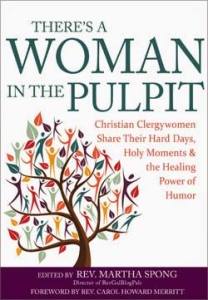
There’s a Woman in the Pulpit (and She’s Human!)

18 Monday May 2015

Posted by mictori in Church Life, Life, Pop

≈ 3 Comments

Tags

authenticity, Clergy, clergy health, RevGalBlogPals, Single Clergy, Skylight Paths Publishing, There's a Woman in the Pulpit

pulpit

I remember the weekend of my ordination in March 2011.  My best friend from seminary and I were in Florida for the ceremony, and we decided to head to a local dance club close to the hotel.

I love to dance.  In my mid twenties, I used to go dancing every single weekend – and at this particular establishment.  By the time I was called into ministry and definitely before I was 30, I had tired of frequenting dance clubs.  Maybe once or twice a year I would still like to slip into a dance club or other music venture and dance away.  But now, I was becoming a Reverend, someone holy.

And I questioned how this holy girl should act…

Should I be at a club dancing?  Should I have a drink with my closest friends?  What will people think when I get up to sing Madonna’s “Like a Prayer” during karaoke?  When I date – what will it be like to tell my date that I’m an ordained pastor?  Who will I be now that I’m the Reverend Michelle Torigian?

In the process in accepting a sense of call, I believe there is a part of us that changes, but the core of who we are remains the same.  My goal was to discern which parts of myself were core to who I was.  And that included living as healthy and honestly as possible.

Since becoming a pastor, I’ve been able to speak and write frankly about my challenges with endometriosis and anxiety – – not to mention being single.  Through this level of transparency, I’m living a life that will hopefully give others encouragement as they live in the shadow-filled days of their lives.  I thank my dear clergy friends for their support in encouraging me to be my truest self.

For a bout a year now, I’ve been part of the RevGalBlogPals webring.  Each of us bring own our experiences of joys and struggles in the pulpit and other parts of our lives.  Because of this group of clergy who shares struggles and joys of our personal lives and ministry, we are able to gain the strength we need to be healthy pastors.  I appreciate what my colleague Rev. Julia Seymour says in her There’s a Woman in the Pulpit essay entitled “Of Facebook and Angels”:

The Internet, Facebook, blogs, Twitter – they are not monoliths of anonymous power.  They are potential bridges of hope, healing, and hospitality.

There’s a Woman in the Pulpit encompasses this spirit of clergy community in RevGalBlogPals and explores the themes on which female clergy… sometimes all clergy… focus our attention.  It’s a vocation like no other, and being able to share our deepest thoughts publicly will hopefully help other clergy from feeling alone.  Being that we are female clergy, there tend to be fewer of us, and many of us are still trying to understand our own identities as women in a predominantly male-dominant calling.

I feel extremely blessed to have been part of There’s a Woman in the Pulpit.  Maybe through my essay “Always a Pastor, Never a Bride” (on being a single female clergy performing weddings) as well as my other writings on various subjects, I’ll join other writers to build bridges helping clergy who abide on lonely islands feel less alone.

More posts on the RevGalBlogPals blog tour.

For more information on or to order the book, see Skylight Paths Publishing or Amazon‘s pages.  


Share this:

  • Click to share on Facebook (Opens in new window) Facebook
  • Click to share on X (Opens in new window) X
  • Click to share on Pinterest (Opens in new window) Pinterest
  • Click to email a link to a friend (Opens in new window) Email
  • Click to print (Opens in new window) Print
  • Click to share on LinkedIn (Opens in new window) LinkedIn
  • Click to share on Tumblr (Opens in new window) Tumblr
Like Loading...

The Pastoral is Political – On Being an Outsider at the OB/GYN and in the Sanctuary

27 Monday Apr 2015

Posted by mictori in Church Life, Current Events, Life, Pop, Religion

≈ Leave a comment

Tags

Church, Fertility, Infertility, Mother's Day, OB/GYN, pregnancy

Here is my latest at the RevGalBlogPals page:

The Pastoral is Political – On Being an Outsider at the OB/GYN and in the Sanctuary

via The Pastoral is Political – On Being an Outsider at the OB/GYN and in the Sanctuary.

Share this:

  • Click to share on Facebook (Opens in new window) Facebook
  • Click to share on X (Opens in new window) X
  • Click to share on Pinterest (Opens in new window) Pinterest
  • Click to email a link to a friend (Opens in new window) Email
  • Click to print (Opens in new window) Print
  • Click to share on LinkedIn (Opens in new window) LinkedIn
  • Click to share on Tumblr (Opens in new window) Tumblr
Like Loading...

The Big Release

22 Sunday Mar 2015

Posted by mictori in Church Life, Pop, Pop Culture, Religion

≈ Leave a comment

Tags

church buildings, church growth, church status quo, grain of wheat, Jack and the Beanstalk, Jesus, John 12, people-pleasing, wheat falling

Jesus answPhone Sept 2014 2052ered them, “The hour has come for the Son of Man to be glorified. Very truly, I tell you, unless a grain of wheat falls into the earth and dies, it remains just a single grain; but if it dies, it bears much fruit. Those who love their life lose it, and those who hate their life in this world will keep it for eternal life.”

John 12:23-25

It’s easy to cling to the status quo, the wheat stalk in our midst.

It’s easy to play it safe.  It’s much simpler to allow the voices that stagnate to overrule.  It’s much less complicated to keep lives and institutions in their current shapes.

But here’s the thing: if we keep gripping to the stalk on which we grow and not allow ourselves to die to the old and be reborn, we are going to die anyway.

If we cling to our current ways of living, the unhealthy will overrule our well-being.  If we cling to a destructive friendship or relationship, our soul begins to shrink.  If we cling to a rigid way of thinking about a subject, we will cut ourselves off of a still-speaking God in our midst.

This also applies to the way we are the church.

If we try to keep people happy, preventing anything from changing and anyone from grieving, we think to ourselves “well, at least we aren’t dying.  All must be well!”  We’ll remind ourselves that we aren’t shrinking.  We’re retaining members!  Instead, we’ll foolishly affirm to ourselves and others that we’re stable.  But we’re far from stable.  We are clinging to a dying stalk of wheat.

We allow ourselves to forget about all of the others that may come our way once we shed our status quo.  We will die in the lie of stability because stability doesn’t really exist.  And people-pleasing is only an illusion.

But everyone’s “happy.”  Or so it seems.

Here’s where I fall short: being a Christian isn’t about making others happy.  Jesus refused to make others happy.  Instead, he threw over tables in the Temple, healed on the Sabbath, touched the unclean and associated with expendable people.

I’ll be honest- as I give this more thought, I no longer believe it’s really about making God happy but, instead, allowing God’s call to draw us into life.  We are called to live the Christ-filled journey by releasing the old ways we in which we exist.  It requires us to stop the people-pleasing, cease clinging to the old and let go.

The path of Christ means free-falling into the air… wondering where we will land and having faith that we will land in soil that will nourish us.

Those who love their lives exactly the way things are right now will eventually lose it sooner or later.  We will get old and our bodies and/or minds will cease to work.  As we die we’ll wonder why we didn’t take more chances in life and free-fall into the call of God.

Likewise, those who love their churches exactly how they currently are and work to keep the status quo will eventually lose their church.  Our members will age.  We won’t have the bodies and monies to continue to run our current church structures and buildings.  As we cling to the old, the life and energy stirring around the church building will drift away.

Eventually, the church will die.  Only the hollow, echoing building will stand.  No more ministries.  No more worship.  No more laughter at 9:45a.m. on a Sunday morning.

Nothing.

Now, if we are willing to throw everything to the wind – our old perspectives, our old structures, our old procedures – just as this grain of wheat that Jesus spoke of, we have the potential to grow.  In this great release of the old, we may feel like we are killing off the past.  We may be tossing away everything we know.  And, yes, this means deep grief.

Living this wild life of instability forces us to stop the rigidity and start on the winding road to who-knows-where.  But the possibilities of growth are endless.  The laughter and energy may dwindle for a bit, but then begin to build.

Remember Jack’s magic beans after he sold the cow?  Without releasing the old (and maybe sacred) cow, a beanstalk wouldn’t have blossomed.

Just like many churches will sell their buildings, merge with other churches, advocate for something new… Basically everything they are into the wind…  Selling the sacred cows for magic beans.

But most of the time, when the seed releases and falls, the ground catches it, nurses it, and allows the seed to take root…

…And the buds of resurrection break through the ground.

Share this:

  • Click to share on Facebook (Opens in new window) Facebook
  • Click to share on X (Opens in new window) X
  • Click to share on Pinterest (Opens in new window) Pinterest
  • Click to email a link to a friend (Opens in new window) Email
  • Click to print (Opens in new window) Print
  • Click to share on LinkedIn (Opens in new window) LinkedIn
  • Click to share on Tumblr (Opens in new window) Tumblr
Like Loading...

Buddhism Reshaped My Easter

17 Tuesday Mar 2015

Posted by mictori in Church Life, Current Events, Holidays, Life, Pop, Pop Culture, Religion

≈ 4 Comments

Tags

Buddhism, Easter, Impermanence, Mary Magdalene, progressive Christianity

IMG_0185Let’s face it – Easter tends to be the most Christian holiday of the year.  Besides anything that’s bunny, egg, chocolate, or flower-related, the holiday centers around the resurrection of Jesus, the heart and head of our faith.

But last year, I adopted a Buddhist view of Easter… at least in my sermon.

I recalled that each year right around this time, I head over a park on the other side of town.  The entrance to this park is lined with trees that, when they bloom, look like paradise.  I find sadness that this lasts only a short while.  Fortunately, I was able to visit the park right after they started blooming.  When I was over there yesterday, the pinkish-white petals had disappeared, and small buds of greened hung where the blooms had been.

There is sadness that fills my heart when I see the blooms gone for the year.  There’s a part of me that wishes the first days of spring could last all year, and the blossoms on the trees could last forever.

Of course, logically, I know this is part of the life cycle of the tree.  The trees are no longer in its beautiful spring state.  The petals drop to the ground, finding their death.  But in their death, the tree find its next phase.

We embrace much of our lives like we do like the blossoming trees.  We want life to stay a certain way, frozen in time.  But life is always changing.  Life starts, life ends.  Our bodies and our world are in constant motion.  From the mountains to our trees to our hair and our souls, we transform.  It’s concurrently beautiful and sad.

One of my best friends practices Buddhism.  When we have a chance to visit with one another, we have the best conversations about faith.  In reflecting on my sermon for last year’s Easter, the Buddhist principle of impermanence came to light. This principle is meditating on and deeply understanding that everything is impermanent, in a constant state of change and that everything will deteriorate.

She read to me excerpts from Thich Nhat Hanh’s book You Are Here which explained that impermanence and change is the heart of life and makes life possible.  When we reject impermanence, we reject life.  For hope lies in impermanence.

And in a roundabout way, we see that hope in resurrection story.

Mary Magdalene is weeping outside of the tomb, and Jesus the Christ calls her by name.  She then recognizes the risen Christ in her midst.  And then remembering all of the great times with Jesus during his earthly life, she wants to keep that with her.  She wants everything to be the same, and she clings to him.  Maybe she’s thinking “he won’t go away again.”  Maybe she’s thinking that “if I do something differently this time, he won’t die.”  I can’t say exactly what she was thinking, but she wanted the old ways of being with Jesus the Christ again.  But the Christ says otherwise – “do not hold onto me.”

What it says in the text is “do not cling” not “do not touch.”  We see later that it was ok for Thomas to touch Jesus.  I don’t think that it was a problem that this Christ was touched.  But what she was doing was holding on with all of her might in order to keep the pre-crucifixion, pre-resurrection Jesus with her.

In letting Jesus in his previous embodiment go, leaving the garden and running to spread the good news, I believe Mary embraces the hope that lies in impermanence.  She embraces the great change that happens with the Christ – from the original human body format to a format that transcends space and time.  That Christ goes with us wherever we go, and that Christ changes as the ways our life and world change.  When we meet new people or experience life in a new way, we understand Christ deeper.

It may seem odd that I speak of a Buddhist principle on Easter Sunday, but I wonder, how are we with changes in our lives, of letting things go, and then looking at embracing change as hopeful.

I remember what Thich Nhat Hanh says: “hope lies in impermanence.”  The tomb could not seal off the Christ from the rest of the world.  And while the death was traumatic, without the change in the form of the Christ, I don’t believe the good news would have gone beyond that small part of the world.  Would people know of the radical love of Jesus, of the way he validated the lives of those who were in the margins?

If Mary Magdalene would have staying in that garden right outside the tomb and kept holding on to the Jesus she once knew instead of sharing the Christ in its newest form, we wouldn’t have known the Good News of new life and resurrection.  That’s hope.  Maybe there were still tinges of sadness that resonated within her.  But I believe the privilege of sharing the good news of life and hope helped her to let go of Jesus the Christ in his previous form.

I’d like to think of Mary releasing Jesus like any of us releasing the beauty that leaves with the end of a season.  There is a tinge of sadness that still remains in me when the blossoms drop from the trees.  But with the changing trees and the falling flowers comes rich greenness for all to enjoy, full trees for people to rest under during the warm months.  If the trees didn’t change throughout the year, they would die.  That’s like us: if we don’t change constantly – our cells, our thoughts, our churches – we die as well.

So each year, when trees bloom and Easter rolls around, I recall the Buddhist principle of impermanence.  It’s given me the gift of seeing the transitions and changes that come with the death and resurrection of Jesus with a new depth and greater hope of new life.

This post was written as part of Synchroblog’s March 2015 theme “What I Appreciate about [Other Religions].”  Below are other blog posts that have been written as part of this theme.  The links do not necessarily reflect my perspective.

  • Mark Votava – How Christianity Can Learn from Buddhism
  • Justine Steckbauer – Christianity and Other Religions: Many roads or exclusive path?
  • Glenn Hager – The Thing About Labels
  • Clara Ogwuazor-Mbamalu – What I Appreciate about Islam
  • Bram Bonius – What can Christians learn from neo-pagans and ‘magickal’ traditions?
  • Pastor FedEx – 3 Things Christians Learn from Other Religions
  • Leah Sophia – Land, Sun, Community, Crops
  • Kathy Escobar – Why I Love Interfaith Conversations
  • J. D. Myers – What I Appreciate About Pagans

Share this:

  • Click to share on Facebook (Opens in new window) Facebook
  • Click to share on X (Opens in new window) X
  • Click to share on Pinterest (Opens in new window) Pinterest
  • Click to email a link to a friend (Opens in new window) Email
  • Click to print (Opens in new window) Print
  • Click to share on LinkedIn (Opens in new window) LinkedIn
  • Click to share on Tumblr (Opens in new window) Tumblr
Like Loading...

Finding the Grace in Divorce

10 Tuesday Mar 2015

Posted by mictori in Church Life, Life, Pop, Pop Culture, Religion

≈ Leave a comment

Tags

Abraham and Hagar, divorce, Grace, Hagar banished, Ishmael, Malachi 2, progressive Christianity, Tamar rape

Abraham banishes Hagar and Ishmael; Sarah and Isaac look on. Engraving by R. Parr after G. Hoet. Iconographic Collections

In seminary I researched the Malachi 2:13-16 text:

“And this you do as well: You cover the Lord’s altar with tears, with weeping and groaning because he no longer regards the offering or accepts it with favor at your hand.  You ask, ‘Why does he not?’ Because the Lord was a witness between you and the wife of your youth, to whom you have been faithless, though she is your companion and your wife by covenant.  Did not one God make her? Both flesh and spirit are his. And what does the one God desire? Godly offspring. So look to yourselves, and do not let anyone be faithless to the wife of his youth. For I hate divorce, says the Lord, the God of Israel, and covering one’s garment with violence, says the Lord of hosts. So take heed to yourselves and do not be faithless.” (NRSV)

A portion of my work on the Malachi 2 text was studying the word “divorce.”  The Hebrew word for divorce as seen in Malachi 2 is found two other places: when Abraham banishes Hagar and Ishmael into the wilderness and when David’s son Amnon throws David’s daughter Tamar out after he rapes her.

Divorce in those cases has to do with one person who has the privilege (usually the man in Biblical times) not taking care of the other person, leaving them destitute in body, mind and soul.  Likewise, the Malachi text pertains to abandoning one’s wife and leaving her to survive with little resources.

Divorce happens.  Sure, God dislikes divorce – nobody likes divorce.  We don’t head into marriage expecting that our covenant will end.  We truly hope that our marriages and relationships will triumph over the statistics.

But sometimes, divorce is inevitable.  The covenant is broken through abuse, infidelity and other trust issues.  Sometimes, after much counseling, a couple will divorce because the relationship is no longer healthy.  People will change over the years, and couples will try their hardest to make the relationship work, but in the end will find peace in the dissolution of the marriage.

Yet there can be faithfulness even in divorce.  When we see divorced couples working together for the sake of their children or amicably splitting property in divorce settlements, we see two people loving God and neighbor the best they can through a challenging time.

Lastly, God gives grace in divorce.  God wants us to find happiness and mercy in our lives, and I believe God wants us to abide in hope and find love again.  Even in the case of Abraham and Hagar, both were given God’s gift of descendants through both Isaac and Ishmael.  We will find that blessings in our lives as well.

A prayer for those divorcing or divorced:

God of the coupled and uncoupled,
You sit with us in the shadows of our souls.
Your hope feeds us and your grace quenches our thirst,
And through your nourishment, we find movement towards tomorrow.

Bless those who are currently journeying through the wilderness of divorce.
Help them to see their estranged spouse as a person created in your image.
Bless their efforts in amicable settlements and custody arrangements.
Help them find new ways of being family, even if family has taken a new form.

God, we know your grace is always pouring upon us
And so we ask that you help us see that grace
In the moments when hope seems far
And shame seems too close to us.

Amen.

Share this:

  • Click to share on Facebook (Opens in new window) Facebook
  • Click to share on X (Opens in new window) X
  • Click to share on Pinterest (Opens in new window) Pinterest
  • Click to email a link to a friend (Opens in new window) Email
  • Click to print (Opens in new window) Print
  • Click to share on LinkedIn (Opens in new window) LinkedIn
  • Click to share on Tumblr (Opens in new window) Tumblr
Like Loading...

My Least Favorite Sunday

07 Saturday Mar 2015

Posted by mictori in Church Life, Current Events, Life, Pop, Pop Culture

≈ Leave a comment

Tags

less sleep, one hour, Spring Forward, worship

16561871989_6111ecd81c_kI can say with little hesitation that my favorite Sundays each year are Easter and Pentecost Sundays.  The excitement that is generated on those two days fills the church and our hearts, sustaining me in body, mind and soul.

I’m sure I can’t be the only pastor or person writing or reading this who has a least favorite Sunday: Spring Forward Sunday.  We find ourselves waking up with one less hour of sleep because, let’s face it, we aren’t going to go to sleep an hour earlier on Saturday nights.  Whether we are working, relaxing or spending time with friends, our bodies aren’t usually ready to sleep earlier than usual, even if we plan for it.

This leaves us a little extra tiredness during worship on Sunday morning.  We’re ready for our afternoon nap soon after our Sunday morning events are complete.

I think there’s a little level of disappointment knowing that our day is noticeably shorter.  As we progress in our lives, we realize the value of each and every hour.  And we recognize that we’re a bit thrown off by this time adjustment.  What may seem like 3p.m. will really be 4p.m.  Our bodies may take a day or two to get used to this new time change.

However, I believe God’s grace blesses this shortened day.  While I dislike the one less hour of sleep,  I rejoice when I see the light around 7 p.m. or later.  I am reminded that light continues to come into the world, whether it’s the rays of sun or illumination of Christ.

So as we search for God in this wilderness season of Lent, even when we often travel through the shadows, our days are becoming longer and light is growing in our lives.

 (Adapted from the St. Paul UCC March 2015 newsletter)

Share this:

  • Click to share on Facebook (Opens in new window) Facebook
  • Click to share on X (Opens in new window) X
  • Click to share on Pinterest (Opens in new window) Pinterest
  • Click to email a link to a friend (Opens in new window) Email
  • Click to print (Opens in new window) Print
  • Click to share on LinkedIn (Opens in new window) LinkedIn
  • Click to share on Tumblr (Opens in new window) Tumblr
Like Loading...

Thriving in My Weakness: Breaking the Silence This Ash Wednesday

18 Wednesday Feb 2015

Posted by mictori in Church Life, Current Events, Holidays, Life, Religion

≈ 4 Comments

Tags

2 Corinthians 12, anxiety disorder, Ash Wednesday, ashes, childhood anxiety disorder, childhood mental health, demons, dust, Mary Magdalene, Mental health, Panic disorder, power in our weakness

ash headLast summer, when Robin Williams perished from suicide, more people began to come forth about their mental health struggles.  Many believed that if we spoke on the issue of mental health, others would feel like they could share their stories or find help.

My friend Kevin Necessary wrote his story for WCPO.  Another friend, the Rev. Sarah Lund, recently wrote the book “Blessed Are the Crazy: Breaking the Silence about Mental Illness, Family and Church.”  She shared her family’s struggles with mental health issues.  As others placed themselves in vulnerable spaces telling their stories, I began to feel the call to tell my story as well.  That’s when I realized I had to talk about my experiences.

In the summer of 1979, we were on our way from the St. Louis area to southern California to visit my aunt, uncle and cousin, and Disneyland too.  Somewhere in the state of Arizona or New Mexico, we stopped for dinner.  I was already a pretty anxious kid – not a fan of escalators, steps, slides and a host of other things.  But that evening, as a six year old, the least unusual thing happened: I discovered the first loose tooth in my mouth.

At that moment, I began to have my first panic attack.  Over a loose tooth.  But as experience has proven: you never know what will set off a panic attack.

Being that it was over 35 years ago, I can’t remember exactly how that first attack felt.  From what I can recall, I felt out of control and waves of nausea.  I couldn’t eat anything else that night.  Beginning that evening, my eating habits drastically changed.  I consumed very little each day due to the nauseating anxiety in my system.  I lost weight, and my mom did everything she could to help me find ways to eat.  My parents were beyond worried about me, but during eras when people never spoke of certain issues, I would imagine that it would be difficult to find your children the help they need.

Of course, this was in the late 1970’s.  People weren’t talking about childhood anxiety or mental health issues, and even speaking of one’s mental health illness was taboo.  Personally, I thought there was something wrong with my stomach.  I couldn’t put into words what I was going through.

As time went on, I sought help in trying to be find wellness in my soul, heart and mind, and this meant counseling sessions.  At the age of 16, as I headed into the office, I scoped the parking lot for any signs of people I knew.  I refused to let anyone know what I was going through.  I couldn’t let anyone know how flawed I was.  I would have been horrified if anyone knew I was in counseling.  Even my closest friends in high school never knew until years later.  Finally in college, I began to speak with friends about my anxiety, and over the years have been more and more open about this challenge in my life.  My sixteen year old self would never have imagined that I would ever speak or write publicly about this struggle.

I’d like to say that I’ve had my last one, but I know that’s not the case.  I’m on a life-long journey with anxiety and panic disorder.  It isn’t fully gone.  But I’ve learned how to live with it and take baby steps so that it doesn’t fully define who I am.  I realize now that I probably have a chemical or biological predisposition to anxiety or panic.  It’s not something I brought about on my own – six year olds typically don’t bring these things on themselves.  Even forty-somethings or sixty-somethings will have panic attacks happen without any real cause.

Sometimes, it’s been hard to see God in the midst of my anxiety.  I’m sure others find it hard to see God in the midst of their mental health issue – no matter the issue.  But during the other times, God is all I know and what I can see in the chaos.

Paul says in 2 Corinthians 12, “ ‘My grace is sufficient for you, for power is made perfect in weakness.’ So, I will boast all the more gladly of my weaknesses, so that the power of Christ may dwell in me. Therefore I am content with weaknesses, insults, hardships, persecutions, and calamities for the sake of Christ; for whenever I am weak, then I am strong.”

Today, to use the phraseology of Paul, I boast of this weakness of mine.  I boast not from pride, but because I feel free and light in being able to tell my story.  I boast because I see the presence of God in my weakness, and my relationships with God and others have grown closer in this vulnerable state.  And that means, like Paul, seeking contentment in this very vulnerable moment and becoming transparent will hopefully bring strength to the entire body of Christ.

Jesus called the most vulnerable to do his work.  Mary Magdalene found relief from her seven demons – which could have included many mental health issues.  And Jesus called her to be the first person to share the good news after the resurrection.  Paul didn’t exactly have the best track record with life as he persecuted others.  And yet God still called him.  God called Jacob after he deceived his brother, Abraham after dismissing Hagar and Ishmael, David after his indiscretions, and Levi even though his career brought pain to others.

With God, there is grace and there is a future in our weaknesses and vulnerability.  There are second chances to be had and given.

Like dust, like ashes, and even like the powdery snow outside, we are vulnerable.  We are blown by the wind because of the frailty of our human condition.  But in that vulnerability, in that powdery, dusty mess that we humans are, we find our strength.  We find out where God is because sometimes, all we have is God.  And then we start to find each other as we all share our struggles.  To believe that any of us don’t struggle with something is a fallacy.  It’s unrealistic to believe such things.

Our next step in the process is finding the strength to be transparent about some of these struggles – especially once we’ve found some healing and can testify to God’s presence in our healing.

When I tell my story, I feel like this is the most vulnerable place I’ve been.  Like I said – I never realized that 25 years ago or even a year ago I would feel the call to stand up and speak my truth.  But this story needs to be told because maybe a parent out there will recognize that their child has anxiety and panic disorder and will find help for their child.  Maybe one of you will realize that there is no shame in receiving help – whether that help is counseling or medication, whether it’s for anxiety, depression, bipolar or a number of other mental-health related issues.  We may feel that it’s necessary to keep being strong, but actually, we will be healthier if we just admit that we are weak and get the help we need.

And that is why we take this time during Lent to raise all of the voices who break the silence on stigmatic issues.  I stand with all of my sisters and brothers who have the courage to live in the boldness of their frailty.  When we are able to say, “I’m as strong as ashes, and I’m mortal and messy,” then we can move into new ways of relating to God and one another.

Ash Wednesday is the day where we remember that we are mortal, not perfect, vulnerable, and limited.  And we rejoice in our weaknesses.  We thank God that we can come together as limited humans, in our brokenness and dustiness to celebrate the strength in our weakness and transparency.

Share this:

  • Click to share on Facebook (Opens in new window) Facebook
  • Click to share on X (Opens in new window) X
  • Click to share on Pinterest (Opens in new window) Pinterest
  • Click to email a link to a friend (Opens in new window) Email
  • Click to print (Opens in new window) Print
  • Click to share on LinkedIn (Opens in new window) LinkedIn
  • Click to share on Tumblr (Opens in new window) Tumblr
Like Loading...
← Older posts
Newer posts →

CCblogs Network

CCblogs Network

RevGalBlogPals

RevGalBlogPals
Follow Michelle L. Torigian on WordPress.com

Michelle L. Torigian

Michelle L. Torigian

Rev. Michelle Torigian's Instagram

No Instagram images were found.

Archives

  • November 2025
  • October 2025
  • August 2024
  • June 2024
  • May 2024
  • April 2024
  • March 2024
  • January 2024
  • December 2023
  • November 2023
  • September 2023
  • July 2023
  • May 2023
  • April 2023
  • March 2023
  • February 2023
  • January 2023
  • November 2022
  • October 2022
  • September 2022
  • July 2022
  • April 2022
  • March 2022
  • December 2021
  • November 2021
  • October 2021
  • September 2021
  • June 2021
  • April 2021
  • March 2021
  • December 2020
  • November 2020
  • October 2020
  • September 2020
  • August 2020
  • June 2020
  • May 2020
  • April 2020
  • March 2020
  • February 2020
  • January 2020
  • December 2019
  • November 2019
  • September 2019
  • August 2019
  • June 2019
  • May 2019
  • April 2019
  • March 2019
  • February 2019
  • January 2019
  • December 2018
  • November 2018
  • October 2018
  • September 2018
  • August 2018
  • June 2018
  • May 2018
  • April 2018
  • March 2018
  • February 2018
  • January 2018
  • December 2017
  • November 2017
  • October 2017
  • September 2017
  • August 2017
  • July 2017
  • June 2017
  • May 2017
  • March 2017
  • February 2017
  • January 2017
  • December 2016
  • November 2016
  • October 2016
  • September 2016
  • August 2016
  • July 2016
  • June 2016
  • May 2016
  • April 2016
  • March 2016
  • February 2016
  • January 2016
  • December 2015
  • November 2015
  • October 2015
  • September 2015
  • August 2015
  • July 2015
  • June 2015
  • May 2015
  • April 2015
  • March 2015
  • February 2015
  • January 2015
  • December 2014
  • October 2014
  • September 2014
  • August 2014
  • July 2014
  • June 2014
  • May 2014
  • April 2014
  • March 2014
  • February 2014
  • January 2014
  • November 2013
  • October 2013
  • September 2013
  • August 2013
  • July 2013
  • June 2013
  • May 2013
  • April 2013
  • March 2013
  • February 2013
  • January 2013
  • December 2012
  • November 2012
  • October 2012
  • September 2012
  • September 2011
  • December 2010

Blogroll

  • A Southern Pastor's Life in the North
  • Ancient/Future Faith
  • Associated Luke
  • Coffeehouse Contemplative
  • Emily C. Heath
  • For the Someday Book
  • Go and Tell with Grace
  • Katie Steedly
  • Liturgy Geek
  • musings about liturgical adventures, poetic journeys and such
  • One Whole Step
  • Reflections of Ryberg
  • Scattered Graces

Tags

Advent advent prayer Advent prayers anxiety Armenian Genocide Body of Christ careers Childless Childlessness Christ Christianity Christmas Church Communion Communion Liturgy Coronavirus COVID-19 death depression divorce domestic violence Easter Endometriosis Epiphany Feminism God Grace Grey's Anatomy grief grief prayers Healing Holy Week Hope Infertility Jesus Justice Lent Lenten Prayers LGBT Life Liturgy loss of loved one loss of parent Love Mental health Mother's Day motherhood mourning National Day Prayers pain Prayer Prayers progressive Christian progressive Christianity Progressive Christianty Psalm 139 Quarantine racism rape Resurrection sexism sexual assault Single Singlehood single in the sanctuary Social Justice Surgery Thanksgiving UCC United Church of Christ Vashti vocational prayers vocations widows worship

Categories

  • Advent prayers
  • Be the Church
  • Church Life
  • Communion Liturgy
  • COVID Prayers
  • Current Events
  • Epiphany Liturgy/Prayers
  • grief
  • Health
  • Holidays
  • Hygge
  • Lent Prayers
  • Life
  • Liturgy
  • Movies
  • Music
  • National Day Prayers
  • National Donut Day
  • Poetry
  • Pop
  • Pop Culture
  • Prayers
  • Quarantine Liturgy and Prayers
  • Religion
  • Single in the Sanctuary
  • Social Justice
  • Social Media
  • Sports
  • Television
  • UCC Statement of Faith
  • Vocation Prayers
  • Wordpress Blogger University

RSS Michelle L. Torigian

  • A Prayer for ADHD Awareness Month
  • A Mean Girls Day Blessing
  • A Blessing of the Cats
  • A Prayer for National Donut Day
  • A Lament of a Misogynistic Speech
  • A Blessing for the Words We Need
  • A Lament for Constant Anxiety
  • A Blessing of the Storytellers
  • A National Backward Day Prayer
  • A Prayer When Missing Our Loved Ones

Enter your email address to follow this blog and receive notifications of new posts by email.

Join 322 other subscribers

Pages

  • Email Sign Up
  • Following me around the web…
  • Liturgies for the “Be the Church” Series
  • Quarantine/Pandemic Prayers & Liturgies
  • Sermons on Video
  • Single in the Sanctuary
  • Vocational Prayers
  • Want to know about me?

Blogroll

  • A Southern Pastor's Life in the North
  • Ancient/Future Faith
  • Associated Luke
  • Coffeehouse Contemplative
  • Emily C. Heath
  • For the Someday Book
  • Go and Tell with Grace
  • Katie Steedly
  • Liturgy Geek
  • musings about liturgical adventures, poetic journeys and such
  • One Whole Step
  • Reflections of Ryberg
  • Scattered Graces

Archives

  • November 2025
  • October 2025
  • August 2024
  • June 2024
  • May 2024
  • April 2024
  • March 2024
  • January 2024
  • December 2023
  • November 2023
  • September 2023
  • July 2023
  • May 2023
  • April 2023
  • March 2023
  • February 2023
  • January 2023
  • November 2022
  • October 2022
  • September 2022
  • July 2022
  • April 2022
  • March 2022
  • December 2021
  • November 2021
  • October 2021
  • September 2021
  • June 2021
  • April 2021
  • March 2021
  • December 2020
  • November 2020
  • October 2020
  • September 2020
  • August 2020
  • June 2020
  • May 2020
  • April 2020
  • March 2020
  • February 2020
  • January 2020
  • December 2019
  • November 2019
  • September 2019
  • August 2019
  • June 2019
  • May 2019
  • April 2019
  • March 2019
  • February 2019
  • January 2019
  • December 2018
  • November 2018
  • October 2018
  • September 2018
  • August 2018
  • June 2018
  • May 2018
  • April 2018
  • March 2018
  • February 2018
  • January 2018
  • December 2017
  • November 2017
  • October 2017
  • September 2017
  • August 2017
  • July 2017
  • June 2017
  • May 2017
  • March 2017
  • February 2017
  • January 2017
  • December 2016
  • November 2016
  • October 2016
  • September 2016
  • August 2016
  • July 2016
  • June 2016
  • May 2016
  • April 2016
  • March 2016
  • February 2016
  • January 2016
  • December 2015
  • November 2015
  • October 2015
  • September 2015
  • August 2015
  • July 2015
  • June 2015
  • May 2015
  • April 2015
  • March 2015
  • February 2015
  • January 2015
  • December 2014
  • October 2014
  • September 2014
  • August 2014
  • July 2014
  • June 2014
  • May 2014
  • April 2014
  • March 2014
  • February 2014
  • January 2014
  • November 2013
  • October 2013
  • September 2013
  • August 2013
  • July 2013
  • June 2013
  • May 2013
  • April 2013
  • March 2013
  • February 2013
  • January 2013
  • December 2012
  • November 2012
  • October 2012
  • September 2012
  • September 2011
  • December 2010

Tags

Advent advent prayer Advent prayers anxiety Armenian Genocide Body of Christ careers Childless Childlessness Christ Christianity Christmas Church Communion Communion Liturgy Coronavirus COVID-19 death depression divorce domestic violence Easter Endometriosis Epiphany Feminism God Grace Grey's Anatomy grief grief prayers Healing Holy Week Hope Infertility Jesus Justice Lent Lenten Prayers LGBT Life Liturgy loss of loved one loss of parent Love Mental health Mother's Day motherhood mourning National Day Prayers pain Prayer Prayers progressive Christian progressive Christianity Progressive Christianty Psalm 139 Quarantine racism rape Resurrection sexism sexual assault Single Singlehood single in the sanctuary Social Justice Surgery Thanksgiving UCC United Church of Christ Vashti vocational prayers vocations widows worship
January 2026
S M T W T F S
 123
45678910
11121314151617
18192021222324
25262728293031
« Nov    

Category Cloud

Advent prayers Be the Church Church Life Communion Liturgy COVID Prayers Current Events Epiphany Liturgy/Prayers grief Health Holidays Hygge Lent Prayers Life Liturgy Movies Music National Day Prayers Poetry Pop Pop Culture Prayers Quarantine Liturgy and Prayers Religion Single in the Sanctuary Social Justice Social Media Sports Television UCC Statement of Faith Vocation Prayers

Recent Posts

  • A Prayer for ADHD Awareness Month
  • A Mean Girls Day Blessing
  • A Blessing of the Cats
  • A Prayer for National Donut Day
  • A Lament of a Misogynistic Speech

Blog at WordPress.com.

Privacy & Cookies: This site uses cookies. By continuing to use this website, you agree to their use.
To find out more, including how to control cookies, see here: Cookie Policy
  • Subscribe Subscribed
    • Michelle L. Torigian
    • Join 322 other subscribers
    • Already have a WordPress.com account? Log in now.
    • Michelle L. Torigian
    • Subscribe Subscribed
    • Sign up
    • Log in
    • Report this content
    • View site in Reader
    • Manage subscriptions
    • Collapse this bar
 

Loading Comments...
 

    %d